 EN
EN

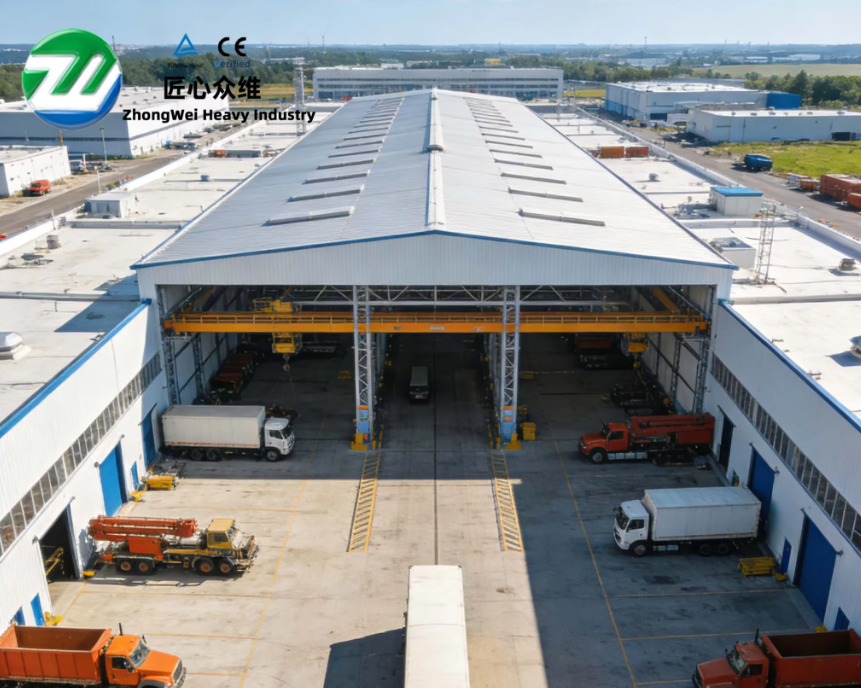
Az építészet és mérnöki terület világában a választás a acél és a beton az egyik legalapvetőbb döntés. Bár a beton híres nyomószilárdságáról és tömegéről, vannak kritikus alkalmazási területek, ahol a nehézsúlyú rokonja, a acél, a terhelések hordozásában elismert bajnok. A projektmenedzserek, mérnökök és fejlesztők számára elengedhetetlen, hogy tudják, hol nyújtja az acél egyedi tulajdonságai a szuperior előnyt – ez nem pusztán akadémiai kérdés, hanem alapvető feltétele a biztonságosabb, hatékonyabb és innovatívabb szerkezetek létrehozásának. Ez nem arról szól, hogy egy anyag univerzálisan jobb lenne, hanem arról, hogy az adott feladat specifikus igényeihez a megfelelő anyagot válasszuk.
Amikor a kihívás nagy távolságok áthidalását, lenyűgöző magasságok elérését, dinamikus erők ellenállását vagy a szűk időkeretek elleni versenyt jelenti, az acél belső tulajdonságai gyakran teszik optimális választássá a teherhordó rendszerek számára. Vizsgáljuk meg azokat a kulcsfontosságú területeket, ahol az acél teljesítménye valóban kiemelkedik.
A páratlan előny: szilárdság–tömeg arány
A acél több alkalmazásban való kiválóságának alapja kiváló szilárdság-tömeg aránya. Acél rendkívül szilárd a tömegéhez képest. Egy acél oszlop vagy gerenda hatalmas terhelést bír el, miközben lényegesen könnyebb és karcsúbb, mint egy ugyanolyan célra tervezett betonelem.
Ez az alapvető tulajdonság minden projekt fázisát érinti. A könnyebb szerkezeti elemek azt jelentik, hogy:
-
Csökkent alapozási terhelés: A szerkezet össztömege alacsonyabb, ami kisebb, olcsóbb alapozáshoz vezethet – ez jelentős költség- és időmegtakarítást eredményez, különösen nehéz talajviszonyok esetén.
-
Könnyebb és gyorsabb szerelés: Az acélalkatrészeket nagy pontossággal előre gyártják a helyszínen kívül, majd a helyszínen csavarozással vagy hegesztéssel szerelik össze. Ez a folyamat lényegesen gyorsabb, mint a beton helyszíni öntése, zsaluzása és megkötése.
-
Nagyobb építészeti szabadság lehetősége: A erőteljes, karcsú szerkezeti elemek létrehozásának képessége lehetővé teszi a nyitottabb alaprajzokat és az innovatív terveket, amelyek betonból készült, tömegesebb szerkezetekkel gyakorlatilag alkalmazhatatlanok vagy lehetetlenek lennének.
Fő alkalmazási területek, ahol az acél vezető szerepet játszik
Hosszú támaszközű és oszlopfmentes szerkezetek
Amikor nagy, akadálymentes terekre van szükség – például repülőgép-műhelyek, sportcsarnokok, konferencia-központok vagy nagy raktárépületek esetében – az acél majdnem mindig az első választás. Az acél tartószerkezeti rendszerek, például acél rácsos tartók, térhálós szerkezetek és hosszú támaszközű gerendák könnyedén áthidalnak 50, 100 métert vagy még többet is. Hasonló támaszközök elérése betonból rendkívül mély gerendákat és nehéz, megerősített alátámasztó elemeket igényelne, ami értékes hasznosítási területet vesz el, és sokkal nehezebb, összességében masszívbabb szerkezetet eredményezne. Az acél könnyűsége és ugyanakkor kiváló teherbíró képessége gazdaságilag és szerkezetileg is megvalósíthatóvá teszi ezeket a tágas, rugalmas belső tereket.
Magas épületek és felhőkarcolók építése
Ahogy a épületek egyre magasabbra emelkednek, az építmény saját súlya kritikus korlátozó tényezővé válik. Ebben az esetben az acél szilárdság-tömeg aránya döntő fontosságú. Az acélszerkezetek lehetővé teszik a magasabb épületek építését kisebb szerkezeti anyag-felülettel. Ez nemcsak csökkenti az alapozásra ható terhelést, hanem több hasznosítható alapterületet is biztosít szintenként. Továbbá az acélszerkezetek gyors felszerelése jelentős pénzügyi előnyt jelent a többszintes projekteknél, lehetővé téve a gyorsabb épületburkolatot és a belső munkák korábbi megkezdését. Bár a modern mérnöki tervezés gyakran összetett rendszereket alkalmaz (acélgerendák betonpadlókkal), a világ legmagasabb toronyépületeinek elsődleges teherhordó váza mindig acél.
Ipari létesítmények és nehézipari gyártóüzemek
Gyárak, erőművek és feldolgozó létesítmények egyedi kihívásokat jelentenek: rendkívül nehéz mozgó terheléseket kell elviselniük daruktól, hatalmas gépeket kell befogadniuk, és gyakran rugalmasságot igényelnek jövőbeli átalakításokhoz vagy újrafelszereléshez. Az acél ideálisan alkalmas erre a környezetre. Magas szakítószilárdsága miatt jobban képes kezelni a dinamikus és ütéses terheléseket a daruműveletekből, mint a viszonylag törékeny beton. Az acél moduláris szerkezete továbbá egyszerűbbé teszi a nagy, szabad területek tervezését a födém alatti daruk számára, valamint a nehéz berendezésekhez szükséges megerősített helyiségek kialakítását. Ha a gyártósor jövőben módosulna, az acél szerkezeteket könnyebben lehet módosítani, bővíteni vagy megerősíteni.
Szeizmikus (földrengésveszélyes) zónákban található építmények
Földrengés esetén egy épületnek hatalmas, gyorsan változó energiát kell elnyelnie és eloszlatnia. Itt döntő fontosságú az anyag viselkedése. Minőségi szerkezeti acél képlékeny – azaz hajlítható, rugalmasan deformálódhat, és jelentősen megnyúlhat, anélkül hogy hirtelen törne vagy omlana össze. Ez a képlékenység lehetővé teszi, hogy egy jól megtervezett acélvázszerkezet ütéselnyelőként működjön, és szabályozott módon alakuljon át a földrengési erők hatására. A beton – kivéve, ha sűrűn és különlegesen megerősített – ridegebb, és hajlamos a katasztrofális nyírási törésre. Életbiztonsági szempontból kritikus létesítmények, például vészhelyzeti reakcióközpontok, kórházak és aktív szeizmikus régiókban elhelyezkedő épületek esetében az acél előrejelezhető képlékenysége és energiamegbontó képessége miatt az életbiztonság érdekében az acél a preferált anyag.
Korlátozott hozzáféréssel vagy nehéz talajviszonyokkal rendelkező helyszínek
A zsúfolt városi területeken, vízfelületen vagy lágy talajon végzett projekteknél a acél logisztikai előnyei döntőek. A komponensek helyszínen kívüli gyártásának lehetősége kevesebb építési tevékenységet, zajt és tárolási igényt jelent egy korlátozott területen. A könnyebb késztermék csökkenti a süllyedést lágy talajon. Távoli vagy környezetvédelmi szempontból érzékeny helyszíneken a tömeges anyagok (pl. homok és kavics a betonhoz) szállításának és a helyszíni keverésnek csökkent szükséglete jelentős előnyt jelenthet.
Az acél szinergiája a modern építészetben
Fontos megjegyezni, hogy az acél ritkán működik egyedül. Valódi ereje gyakran összetett alkalmazásokban nyilvánul meg. Egy kiemelkedő példa az összetett födémrendszer, ahol egy acéllemez együtt működik egy betonburkolati réteggel. A acél biztosítja a húzószilárdságot, és állandó munkafelületet alakít ki, miközben a beton nyomószilárdságot és tömeget biztosít. Ez a szinergia ötvözi mindkét anyag legjobb tulajdonságait, eredményként hatékony födémrendszereket adva, amelyeket számos kereskedelmi és többemeletes lakóépületben alkalmaznak.
A megfelelő döntés meghozatala projektje számára
A teherhordó alkalmazásokhoz acél vagy beton választása komplex szempontrendszer alapján történik. Olyan projekteknél, ahol a építési sebesség, a hosszú fesztávok, az építészeti rugalmasság, a módosítási lehetőség vagy a dinamikus terhelések (pl. szél vagy földrengés) alatti kiváló teljesítmény áll az elsődleges szempontok között, az acél olyan meggyőző előnyöket kínál, amelyeket a beton nem tud felérni.
A döntés végül több tényező egyensúlyán múlik: az építészeti elképzelés, az épület funkcionális követelményei, a telephely korlátozásai, a projekt ütemterve és az összes életciklus-költség. Ha megértjük azokat a konkrét helyzeteket, amelyekben az acél tulajdonságai kivételes teherhordó teljesítményt nyújtanak, akkor a fejlesztők és mérnökök okosabb, innovatívabb és ellenállóbb építési döntéseket hozhatnak, amelyek kiállják az idő és az erő hatását.