 EN
EN

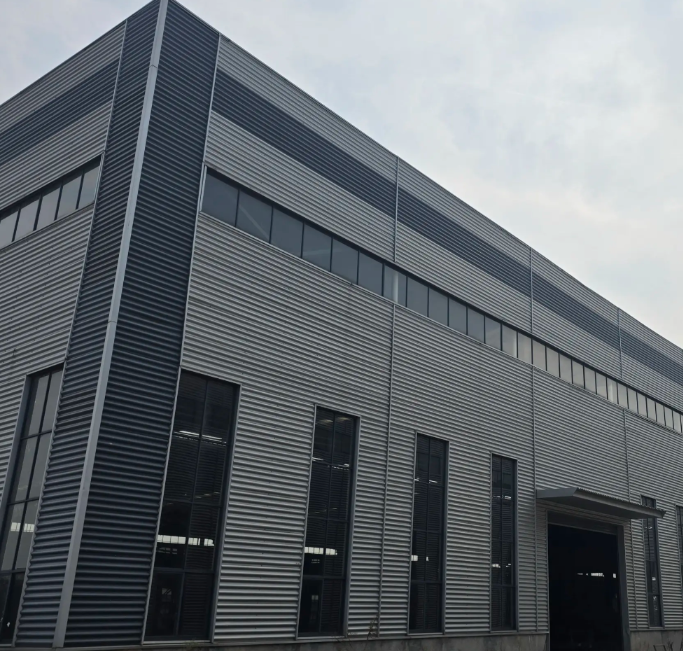
Jika Anda pernah terlibat dalam membangun fasilitas industri, Anda tahu bahwa satu ukuran tidak cocok untuk semua. Sebuah gudang yang sangat ideal bagi perusahaan logistik justru bisa sama sekali tidak sesuai untuk pabrik manufaktur. Tinggi bangunan, jarak antar kolom, serta kebutuhan bongkar-muat—semua faktor ini berubah tergantung pada barang yang Anda simpan atau hasil produksi Anda. Di sinilah gudang baja prefabrikasi benar-benar unggul. Gudang ini bukan struktur kaku berukuran serba sama. Gudang ini dapat disesuaikan secara tepat dengan kebutuhan spesifik Anda. Selama bertahun-tahun, saya telah menyaksikan proyek-proyek di mana desain bangunan dibuat berdasarkan operasionalnya, sehingga menghasilkan ruang kerja yang efisien sejak hari pertama pengoperasian. Mari kita bahas cara mewujudkan hal tersebut dengan tepat.
Memahami Keunikan Operasi Anda
Langkah pertama dalam menyesuaikan bangunan industri apa pun adalah memahami operasi yang akan dilakukan di dalamnya. Hal ini terdengar jelas, tetapi Anda akan terkejut betapa sering hal ini diabaikan. Apa yang akan Anda simpan? Mesin berat, barang dalam palet, atau bahan baku? Bagaimana Anda memindahkan barang-barang tersebut? Dengan forklift, derek overhead, atau sistem konveyor? Seberapa tinggi rak Anda harus dibuat? Jawaban atas pertanyaan-pertanyaan ini secara langsung memengaruhi desain. Gudang baja prefabrikasi dapat dibangun dengan ketinggian bersih (clear height) berbeda, jarak antar-bay (bay spacing) berbeda, serta kapasitas beban berbeda. Namun, Anda harus mengetahui kebutuhan Anda terlebih dahulu sebelum memulai proses desain. Saya pernah mengerjakan proyek-proyek di mana klien datang dengan gambaran yang jelas mengenai alur kerja mereka, sehingga bangunan yang dihasilkan menjadi sangat ideal. Saya juga pernah menyaksikan proyek-proyek di mana pihak klien berupaya menyesuaikan operasi mereka ke dalam bangunan generik, dan akhirnya menghabiskan bertahun-tahun berupaya mengakali keterbatasan-keterbatasan yang sebenarnya bisa dihindari sejak awal.
Memastikan Dimensi yang Tepat
Salah satu keuntungan terbesar dari baja prefabrikasi adalah Anda tidak terpaku pada dimensi standar. Anda dapat memilih lebar, panjang, dan tinggi bangunan sesuai kebutuhan Anda. Jika Anda memerlukan bangunan dengan lebar 80 kaki dan panjang 200 kaki, itu bisa diwujudkan. Jika Anda membutuhkan tinggi bebas 30 kaki untuk menampung rak penyimpanan berukuran tinggi, hal tersebut juga memungkinkan. Jika Anda memerlukan jarak kolom tertentu agar sesuai dengan lini produksi Anda, pengaturan tersebut dapat dilakukan. Kuncinya adalah memikirkan cara Anda akan menggunakan ruang tersebut. Setiap kolom yang ditambahkan memberikan dukungan struktural, namun juga mengurangi luas lantai yang tersedia. Setiap tambahan satu kaki pada tinggi bangunan menambah biaya, tetapi juga meningkatkan kapasitas penyimpanan Anda. Menemukan keseimbangan yang tepat merupakan bagian dari proses kustomisasi. Tim desain yang baik akan bekerja sama dengan Anda untuk menentukan dimensi mana yang paling masuk akal bagi operasi Anda.
Merancang untuk Peralatan Anda
Operasi industri bergantung pada peralatan. Forklift membutuhkan ruang untuk manuver. Crane overhead memerlukan balok landasan dan jarak bebas yang memadai. Sistem konveyor harus dapat menyesuaikan diri dalam batas bangunan. Semua hal ini perlu dipertimbangkan sejak tahap awal desain. Saya pernah melihat gudang di mana jarak antar kolom hanya beberapa kaki berbeda dari kebutuhan operator forklift, dan perbedaan kecil tersebut membuat manuver menjadi sempit dan memfrustrasikan. Saya juga pernah melihat bangunan di mana sistem crane terintegrasi secara mulus sejak awal, sehingga menghasilkan alur kerja yang lancar dan efisien. Saat Anda menyesuaikan gudang baja prefabrikasi, Anda memiliki kesempatan untuk mendesain struktur sesuai dengan peralatan Anda, bukan sebaliknya. Artinya, Anda perlu memikirkan di mana beban berat akan ditempatkan, di mana Anda membutuhkan jarak bebas tambahan, serta bagaimana bangunan dapat mendukung sistem-sistem yang Anda andalkan.
Perencanaan Alur Material
Cara material berpindah melalui fasilitas Anda sama pentingnya dengan tempat penyimpanannya. Apakah Anda menerima barang di satu ujung dan mengirimkannya keluar dari ujung lainnya? Apakah Anda memerlukan aliran lurus melalui bangunan, atau proses Anda membutuhkan tata letak yang lebih kompleks? Desain bangunan dapat mendukung aliran apa pun yang paling masuk akal bagi operasi Anda. Penempatan pintu merupakan bagian besar dalam hal ini. Berapa banyak pintu dok yang Anda butuhkan? Apakah Anda memerlukan pintu akses langsung ke tingkat tanah? Di mana sebaiknya pintu-pintu tersebut ditempatkan agar jarak tempuh diminimalkan? Penempatan kolom dan tata letak bangunan dapat mendukung aliran yang efisien atau justru menciptakan hambatan. Menentukan hal ini secara tepat selama fase desain akan menghemat Anda bertahun-tahun dari masalah operasional.
Memenuhi Persyaratan Lingkungan
Industri yang berbeda memiliki kebutuhan lingkungan yang berbeda pula. Fasilitas pengolahan makanan memerlukan pengendalian suhu yang ketat dan kondisi sanitasi yang higienis. Gudang bahan kimia memerlukan ventilasi yang memadai serta sistem penampungan yang tepat. Pabrik manufaktur mungkin memerlukan sistem penghisap debu atau penerangan khusus. Bangunan baja prefabrikasi mampu mengakomodasi semua kebutuhan tersebut. Selubung bangunan dapat diinsulasi untuk memenuhi persyaratan termal tertentu. Atap dapat didesain guna menopang sistem HVAC. Dinding dapat menampung pelapis khusus atau insulasi. Kuncinya adalah mengidentifikasi kebutuhan Anda sejak dini dan memastikan desain bangunan mendukungnya. Saya pernah mengerjakan proyek-proyek di mana bangunan dirancang dengan mempertimbangkan ekspansi di masa depan, dan fleksibilitas semacam itu ternyata sangat berharga ketika bisnis berkembang.
Pertimbangan Beban Struktural
Tidak semua gudang mampu menahan beban yang sama. Sebagian dirancang untuk penyimpanan ringan, dengan beban lantai yang relatif rendah. Sebagian lainnya dibangun untuk menahan peralatan berat atau sistem penyimpanan padat. Struktur baja harus direkayasa sesuai dengan beban yang benar-benar akan ditanggungnya. Hal ini mencakup berat bangunan itu sendiri, berat bahan yang disimpan, berat peralatan, serta beban lingkungan seperti salju dan angin. Dalam gudang baja prefabrikasi yang disesuaikan, desain struktural diselaraskan dengan kebutuhan spesifik Anda. Anda tidak membayar kapasitas yang tidak Anda perlukan, dan Anda juga tidak mendapatkan bangunan yang tidak mampu menopang operasi Anda. Tim rekayasa menghitung beban berdasarkan kebutuhan Anda dan merancang rangka secara proporsional.
Perencanaan Pertumbuhan di Masa Depan
Salah satu hal paling cerdas yang dapat Anda lakukan saat menyesuaikan gudang adalah memikirkan masa depan. Bisnis Anda saat ini mungkin akan terlihat berbeda lima atau sepuluh tahun dari sekarang. Mungkin Anda membutuhkan ruang yang lebih luas. Mungkin peralatan Anda akan berubah. Mungkin metode penyimpanan Anda akan berkembang. Gudang baja prefabrikasi yang dirancang dengan baik mampu menampung pertumbuhan tersebut. Anda dapat merancang bangunan sedemikian rupa sehingga ekspansi menjadi sederhana dan mudah dilakukan. Anda dapat membuat fondasi lebih besar dari kebutuhan awal untuk mendukung penambahan deretan (bay) di kemudian hari. Anda juga dapat merancang struktur atap agar mampu menahan beban tambahan jika suatu saat Anda memutuskan memasang panel surya atau peralatan tambahan. Memikirkan langkah-langkah jangka panjang memang mungkin menambah sedikit biaya awal, namun hal ini memberikan keuntungan besar ketika Anda mampu tumbuh tanpa gangguan besar.
Bekerja Bersama Tim yang Tepat
Kustomisasi hanya sebaik tim yang mengerjakannya. Anda membutuhkan orang-orang yang memahami operasi industri, bukan hanya kode bangunan. Anda membutuhkan desainer yang mengajukan pertanyaan tepat dan mendengarkan jawaban Anda. Anda membutuhkan pembuat komponen (fabricator) yang mampu menyediakan bahan berkualitas tepat waktu. Dan Anda membutuhkan tim konstruksi yang mampu menjalankan rencana tanpa mengambil jalan pintas. Saya telah menyaksikan proyek berjalan lancar ketika tim selaras dan berfokus pada kebutuhan klien. Saya juga pernah menyaksikan proyek kesulitan ketika komunikasi terputus. Mengambil waktu untuk menemukan mitra yang tepat merupakan salah satu langkah paling penting dalam proses ini.
Melihat Semuanya Terwujud
Ketika Anda melakukan kustomisasi dengan tepat, hasilnya adalah sebuah bangunan yang tidak sekadar berdiri begitu saja. Bangunan itu berfungsi optimal. Peralatan Anda pas di tempatnya. Tenaga kerja Anda dapat bergerak secara efisien. Material Anda mengalir sebagaimana mestinya. Bangunan tersebut menjadi aset yang mendukung operasi Anda, bukan kendala yang harus Anda akali. Saya pernah berjalan melewati gudang-gudang yang dirancang dengan cara ini, dan Anda benar-benar bisa merasakan perbedaannya. Semua hal memiliki tempatnya masing-masing. Tata letaknya masuk akal. Tidak ada ruang yang terbuang, tidak ada sudut-sudut yang canggung, dan tidak ada kemacetan aliran yang memperlambat proses. Itulah tujuan dari kustomisasi: bukan sekadar memiliki sebuah bangunan, melainkan memiliki bangunan yang tepat.
Jadi, jika Anda berencana membangun fasilitas industri, luangkan waktu untuk memikirkan kebutuhan sebenarnya. Tinjau operasi Anda. Berbicaralah dengan orang-orang yang akan menggunakan ruang tersebut. Pertimbangkan peralatan Anda, alur material Anda, serta pertumbuhan masa depan Anda. Kemudian, bekerja sama dengan tim yang mampu mengubah kebutuhan tersebut menjadi bangunan yang pas seperti sarung tangan. Gudang baja prefabrikasi memberi Anda fleksibilitas untuk mendapatkan tepat apa yang Anda butuhkan. Satu-satunya pertanyaan adalah apakah Anda memanfaatkannya.