 EN
EN

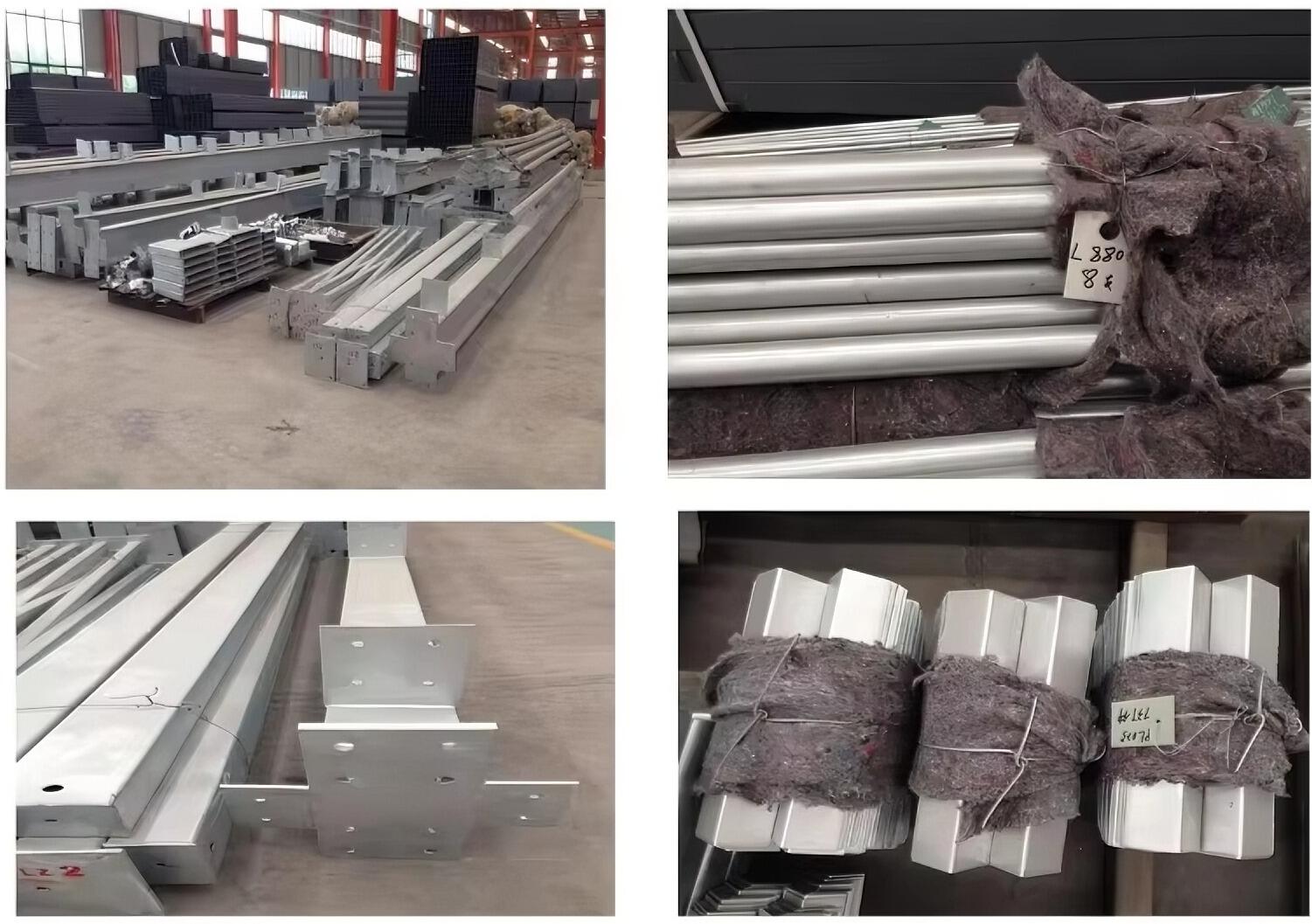
Fyrir hverja iðnaðarrekstur er verkstæðið hjarta framleiðslu. Þegar það verkstæði er byggt úr stáli er þú þegar að nýta sjálfboðna grunn sem er þekktur fyrir styrk sinn, hraða uppbyggingar og hönnunarfrelsi. Hins vegar er ekki fullt árangurspotentiel stálbyggingarverkstæðisins nýtt út frá gæðum bjálka og dylgra einungis. Það er opnað með nákvæmni og vísindalegri nálgun við uppsetningu þess. Tökum sem dæmi háðvirku vél: jafnvel bestu hlutirnir krefjast stillingar með hæfileika og kerfisbundinnar aðferðar til að vinna óskekkilega. Að taka upp vísindalegar uppsetningaraðferðir er ákveðin aðgreiningarþáttur sem umbreytir fyrframgerðum hlutum í varanlegt, öruggt og árangursríkt eignum sem mun þjóna viðskiptum þínum áreiðanlega í áratugi.
Að skera í hornin við uppsetningu getur haft í för með sér fjölguð veikleika, misstillingu og óvæntar ótryggingar sem áhrifast alls frá daglegum reksturshögunum til langtíma styrkleika byggingarinnar. Þessi leiðbeiningar kynna grunnprinsippa vísindalegrar uppsetningar og sýna hvernig þau beina áfram auka á afköstum, öryggi og gildi verkstæðisins með steypustálbyggingu.
Grunnur árangursins: Nákvæm skipulagning og staðfesting fyrir uppsetningu
Langt áður en fyrsta dálkurinn er reistur á staðnum hefst vísindaleg uppsetning með nákvæmri skipulagningu og staðfestingu. Þessi undirbúningstími er óhjákvæmilegur til þess að tryggja sléttan og villafríann byggingarferli.
Notkun stafrænnar samþættingar og 3D-myndmyndunar
Nútíma verkefni eru að einkum ökud af stafrænum tólum eins og byggingarupplýsinga lýsingu (BIM). Þessi flókin 3D líkön leyfa verkfræðingum og verkefnastjórum að framkvæma virkilega „þurrka prófun“ á öllum byggingarferlinu. Mögulegar árekstrar á milli uppbyggingarefna, vélar kerfa og þjónustukerfa eru greindar og leystar á tölvuskjánum langt áður en raunverulegt verk hefst. Þessi áframhaldandi aðferð krefst kostnaðarlegra dregða úr áætlun, endurvinna og eyðingar á efni á staðnum, og tryggir að verkefnið haldi sig á áætlun og innan fyrirskoðunar frá upphafi.
Gera nákvæmar skoðanir á hlutum og grundvallaruppsetningu
Sérhver bjálka, dálkur og tengidýpt sem send er á staðinn verður að vera undir því strangri skoðun á móti upprunulegum framleiðsluteikningum. Þetta felur í sér staðfestingu lykilmála, athugun á holusamsvörun fyrir skrufun og tryggja að saumgæði uppfylli tilgreindar staðla. Auk þess inniheldur vísindaleg framkvæmd oft fyrir-samsetningu flókinnar hluta eða tengipunkta á jörðinni. Þessi „próf-samsetning“ staðfestir fullkomna samsvörun og gerir kleift að snúa skrúfum handvirkt áður en hlutinn er hækkaður í lokastöðu sína. Þessi skref eru ómetanleg fyrir það að tryggja slíkan, öruggan og mjög nákvæman aðaluppbyggingarferli, sem lágmarkar þörfina á breytingum á háum.
Tryggja ósérhæfða nákvæmni grunnsteins
Hver heil bygging hvílir á grunninni sinni, sem gerir nákvæmni hennar allra mikilvægustu. Vísindaleg uppsetning krefst mjög nákvæmrar staðfestingar á staðsetningu, hæð og lóðréttleika fastspennubolta grundarins. Með því að nota háþróuð mælitækni, eins og heildarmælitæki, verða uppsetningaraðilar að staðfesta að þessi grundarnetur passi fullkomlega við áætlaða staðsetningu stálstulpunna. Jafnvel lítil villa á þessum tíma getur leitt til mikilla vandamála, nauðsynlegra réttanda og tímaveisa í steypustáluppsetningarskrefinu. Fullkominn grunnur er fyrsta og mikilvægasta skrefið í átt að fullkominni byggingu.
Uppsetningarskrefið: þar sem nákvæmni mætir framkvæmd
Fysisk uppsetning á byggingunni er það skref þar sem náið áætlunargagn er útfært. Vísindaleg ferli á þessum tíma leggja áherslu á röð, óbreytanlega nákvæmni og samfellda gæðastjórnun.
Með því að fylgja kerfisbundinni uppsetningarröð
Stálrammi er ekki reist á handahóf. Það er þróuður nákvæmur, skrefafyrir-skref reisnarmátskrá sem fylgdist vel með. Venjulega fer byggingin fram í stöðugum, studdum hlutum eða rýmum. Þessi aðferð tryggir að hlutað byggingin sé stöðug og lóðrétt í gegnum allan ferlið, með öruggri stjórnun á tímabundnum álagshlútum og koma í veg fyrir afbrigði. Reisnarmátskrán er áætluð á þann hátt að leyfa uppsetningu ávallt starfsstuddra studda og gólfskífu eins fljótt og mögulegt er, sem hjálpar til við að mynda stíf og stöðuga staðfestingarskífu.
Meistara mikilvægar tengitechníkur
Heildarstöðugleiki stálramma er algjörlega háður styrk tenginganna. Vísindaleg uppsetning krefst strangra, staðfestaðra reglum fyrir tvær helstu tengiaðferðir:
-
Háþrýstiboltar: Þetta er stjórnuð, margþáttaklega ferli. Það hefst með upphaflegri þyppingu á skrúfum til að koma tengdum hlutum í fullan snertingu. Það fylgir síðan lokathyppun til ákveðinnar forspennu, oft með notkun á stilltum snúrku-lyklum eða beinum spennavísunum. Þetta tryggir að tengingin virki eins og hún var hannað til að gera undir álagi, með því að halda áfram klampspennunni og koma í veg fyrir sleppingu.
-
Stjórnuð sveifun: Við sveifutengingar verða verkfræðingar með viðurkenndan staðfestingu að framkvæma vinnuna samkvæmt viðurkenndum ferlum. Þetta felur í sér strangan stjórnun yfir fyrirhitunartemperatúrur, millitemperatúrur á milli sveifuslaga og eftirvinnslu sveifunnar. Stjórnun þessara breytu er nauðsynleg til að stjórna samdrætti, koma í veg fyrir ruptur og tryggja að mekanískar eiginleikar sveifumetales séu samhæfðar grunnmetalinu stál , sem leidir til sterkrar og traustar tengingar.
Útfærsla rauntíma landmælinga
Þrátt fyrir uppsetninguna er lögun byggningshlutarins stöðugt ávallt á eftirliti með tólum eins og heildarstöðum eða 3D-lásarskannurum. Þetta veitir rauntíma, nákvæm gögn um lóðréttleika dálka, jafnlínu bjálka og almennd víddir byggingarinnar. Með rauntíma ábendingum má auðveldlega greina litla frávik og laga þau stigaförum sem vinnan fer fram. Þessi aðferð er lykilmerki vísindalegrar gæðastjórnunar og krefst ekki að stór jafnlínuvandamál séu uppgötvuð einungis eftir að verkefnið er ljúkað.
Innlimun áframhaldandi árangursbætinda frá fyrsta degi
Vísindaleg uppsetning nær yfir struktúrhlutann og innlimar kerfi sem bæta rekstursárangur og árangur verkstofunnar strax við upphaf.
Náða samræmdri innlimun byggingarkerfa
Uppsetningarsveitin verður að vinna í nánum samvinnu við verkfræði-, rafmagns- og vatskipti (MEP). Rásir, rörhylki og stuðlaskálar fyrir notendur ættu að vera innbyggðar í hönnunina frá upphafi og settar upp samtímis við, eða strax eftir, byggingarramann. Þessi áframhaldandi samvinnuaðgerð, sem leiðstýrð er af sameiginlegum stafrænum BIM-módelum, felur í sér að koma í veg fyrir óþarflega og dýrlegra venju að borða eða klippa í byggingardeili eftir að þeir eru settir upp – venja sem getur óvitandi veikja ramann.
Að hámarka umhverfis- og hitastöðugleika
Nákvæmni vísindulega uppsettrs grunnbyggingar gerir kleift að setja upp hitaeftirlit- og ytri þekjukerfi með fullkominni nákvæmni. Rétt uppsettar og læstar tengingar, ásamt nákvæmlega jöfnuðum plötum, virka saman til að fjarlægja hitasvæði og minnka loftinndrátt. Þetta bætir verulega áfram á ástandi byggingarhúðarinnar og leidir til lægra kostnaðar við hitun og kælingu. Auk þess veitir slík nákvæm og stöðug bygging ímyndilega undirlag fyrir innbyggingu áframhaldandi tækni, svo sem byggingahefða sólarorkuskerfi (BIPV), sem umbreytir þak verksmiðju í virkt hreint orkugjafa.
Bygging fyrir ávarp og lágt viðhald
Aðferðarleg athygli við uppsetningu hefur bein, langtímaáhrif á líftíma byggingarinnar. Þetta felur í sér að tryggja að allar tengingar og klæðisásar séu rétt læstar gegn rökum, að nota viðbótarlita á öllum svæðum sem hafa verið skemmdar á staðnum til að koma í veg fyrir ruslun, og að staðfesta að renndráttur á þakum og skjöldum sé rétt stilltur. Verkstæði sem er byggt með þessum stigi áhyggna og farsjón mun sjálfkrafa krefjast minna viðhalds og njóta miklu lengri notkunarlíftíma.
Átækt af ávöxtum fjárhagslega investeringar
Investering í vísindalegar uppsetningaraðferðir gefur augljós, mælanleg ávinning sem áhrifar bæði byggingarverkefnið og langtímanotkun innréttingarinnar:
-
Upphækkun á uppbyggingarstöðugleika og öryggi: Stöðug, vel jafnuð bygging með rétt útfærðar tengingar virkar áforseðlega og örugga undir öllum hönnunarmyndum, þar á meðal vind-, snjó- og jarðskjálftuáhrifum, og verndar bæði starfsfólki og gildar eignir.
-
Forsjáanleg verkefnisútkomur: Með því að lágmarka endurvinningu, koma í veg fyrir áföll og úrskýra síðustu viðbætur á staðnum er líklegt að verkefnin verði kláruð í réttum tíma og innan ákveðins fyrirhugsunar.
-
Yfirleitandi rekstrarafurð: Bygging án stillunarsporna leyfir ótrúlega uppsetningu og ótrauða rekstur yfirborðslyfta, sjálfvirkra geymslu- og útvegunarkerfa (ASRS) og annarra nákvæmra véla.
-
Hámarkað langtíma gildi: Verkstofa sem hefur verið skjölkuð sem byggð samkvæmt nákvæmum vísindalegum staðlum hefur hærri endursölu- eða tryggingargildi og lægri heildarkostnaður yfir lífstíð hennar vegna styrks hennar og minni viðhaldsþörf.
Samstarf til sérfræðilegrar framkvæmdar
Að ná þessu stigi uppsetningarqualitets krefst aðstoðarmanns með almennum, enda-í-enda getum. Leituðu að þjónustuaðili sem stjórnar öllum ferlinu með innri verkfræði, vottuðri framleiðslu í eigin verksmiðjum og útsetningu á eigin þjálfuðum uppsetningarsveitum. Aðstoðarmaður með sannaða réttindi í að framkvæma flókin verkefni, svo sem sérsniðnar iðnaðarverksmiðjur eða stórspennu logístíkuvistunarrúm, sýnir ávallt praktískt, handað meistarahaf þessara vísindulegu reglna. Langtímaþroskun þeirra á „gæða endanlega niðurstöðu með snillingum“, sem er styðjandi með dedikertum rannsóknar- og þróunarliði, myndar nauðsynlega grundvöllinn til að breyta hugmyndinni um vísindalega uppsetningu í tryggða raunveruleika fyrir háprestaða steypuverksmiðju þína.