 EN
EN

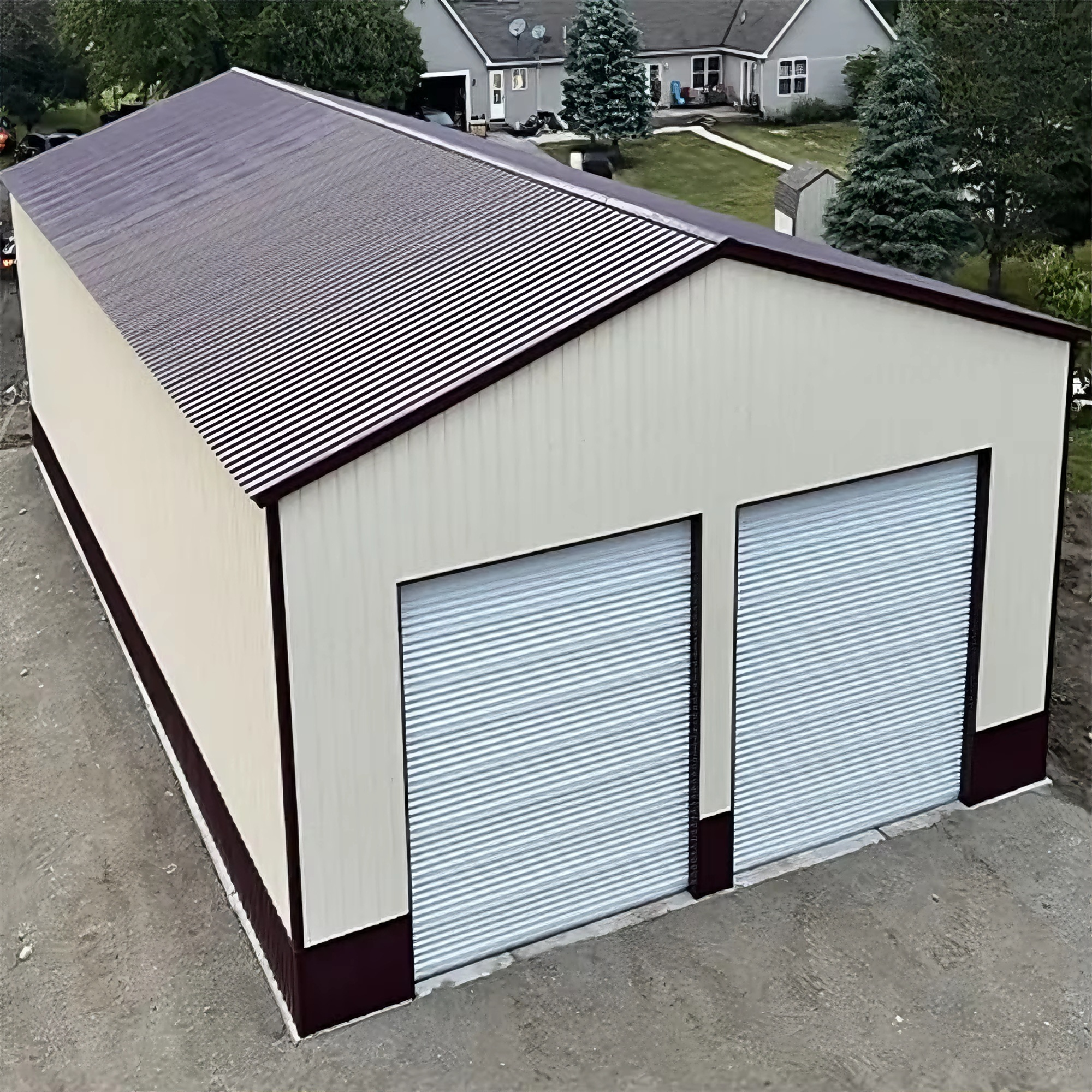
Endüstriyel işlemleriniz sınırlarını zorluyorsa ve daha fazla alana ihtiyacınız varsa, uzun süren, tozlu ve işleyişi aksatan geleneksel bir inşaat sahası görüntüsü kaçınılmaz gibi görünebilir. Ancak daha akıllı bir çözüm olsaydı ne olurdu? Daha hızlı, daha temiz ve daha verimli bir çözümle yeteneklerinizi genişletmeyi hayal edin. Ön imalatlı atölyeler dünyasına hoş geldiniz. Bunlar sadece geçici çadırlar değildir; bunlar sahada önceden üretilen, mühendislikle tasarlanmış yüksek performanslı binalardır ve konumunuzda şaşırtıcı hızla monte edilirler. Yöneticiler, proje liderleri ve iş sahipleri için bu yapıların kullanımını ustalaşmak gerçek bir oyun değiştirici olabilir; böylece üretkenlik büyük ölçüde artırılır, maliyetler kontrol altına alınır ve operasyonel esneklik geliştirilir.
Bu kılavuz, hazır imal edilmiş bir atölyeyi sanayi ortamınıza entegre etmenin temel adımlarını size adım adım anlatacaktır. Bu kılavuzda, hazır imal edilmiş atölyelerin ne olduğunu, ana avantajlarını, hangi alanlarda üstün performans gösterdiklerini ve bunları kurup devreye alma sürecinin adım adım nasıl gerçekleştiğini ele alacağız. Kılavuzun sonunda, iş büyümenizi destekleyecek bilinçli bir karar vermenize yardımcı olacak net bir yol haritanız olacak.
Hazır İmal Edilmiş Atölyeler Tam Olarak Nedir?
Temellerle başlayalım. Hazır imal edilmiş bir atölye, ana bileşenleri—ana çelik iskelet, duvar ve çatı panelleri, yalıtım malzemeleri ve hatta kablolama kanalları—kontrollü bir fabrika ortamında tasarlanan, üretilen ve bitirilen bir bina sistemidir. Bunu, gelişmiş ve özel olarak üretilmiş LEGO parçalarıyla inşa etmeye benzetebilirsiniz. Bu hassas şekilde mühendislik yapılmış parçalar daha sonra profesyonel bir ekip tarafından sitenize taşınır ve burada cıvatalarla birleştirilir.
Bu yöntem, malzemenin her parçasının ayrı ayrı teslim edildiği ve doğrudan zeminden başlayarak dış etkenlere maruz kalacak şekilde monte edildiği geleneksel "çubukla inşa edilen" (stick-built) yapı yöntemine tam bir tezat oluşturur; bu da gecikmelere açık hale gelir. Ön imalat süreci, işin büyük kısmını kapalı alana taşır. Bu durum, üstün kalite kontrolünü sağlar, malzeme israfını en aza indirir ve öngörülebilir bir zaman çizelgesi garantiler; böylece projeniz hava koşullarının değişkenliklerinden korunur.
Endüstriyel Kullanıcılar İçin Temel Avantajlar
Endüstriyel genişleme süreçlerinde karşılaşılan en yaygın sorunları doğrudan hedef alan bu faydalar nedeniyle, üretimden lojistiğe kadar endüstriler neden giderek daha fazla ön imalat çözümlerine yöneliyor?
Dağıtım Hızı
Bu, genellikle en ikna edici avantajdır. İnşaat sahasının hazırlanması (örneğin temel atma gibi işlemler) fabrikada üretimle aynı anda gerçekleştirilebileceği için proje süreleri %50 veya daha fazla kısaltılabilir. Geleneksel bir tuğla-ve-harç işçiliğiyle inşa edilen bir atölye altı ila sekiz ay sürebilirken, prefabrike bir karşılığı genellikle iki ila üç ay içinde tamamlanır ve ekipmanlar için hazır hâle gelir. Bu hızlı teslimat süresi, gelir elde etmeye veya süreçleri optimize etmeye çok daha erken başlamanızı sağlar.
Maliyet Belirliliği ve Verimlilik
Fabrika kontrol ortamı, bütçeleme açısından oyunu değiştiren bir faktördür. Malzeme israfını büyük ölçüde azaltır ve bileşenleri hava koşullarına bağlı hasarlardan korur; bu da önemli maliyet tasarruflarına yol açar. Ayrıca tasarım nihai hâle getirildikten sonra genellikle sabit fiyatlı bir sözleşme imzalarsınız. Bu şeffaflık, geleneksel inşaatı olumsuz etkileyen öngörülemeyen maliyet aşmalarından sizi korur ve güvenli ve etkili bir bütçe yönetimi yapılmasını sağlar.
Saha Üzerinde Minimum Kesinti
Eğer faal bir tesisinizi genişletiyorsanız, bu avantaj değerlidir. Gürültülü, dağınık ve fazla alan kaplayan geleneksel inşaat aşaması büyük ölçüde azaltılır. Çoğu iş saha dışı gerçekleştiği için saha içi montaj hızlı, daha temiz ve çok daha az rahatsız edicidir. Günlük işlemleriniz en az düzeyde müdahaleyle devam edebilir; böylece ekibiniz üretim odaklı kalabilir ve bir inşaat alanı içinde hareket etmekle meşgul olmaz.
Doğasında Güçlü ve Esnek
Modern prefabrike atölyeler, engelleyici sütunların tamamen bulunmadığı açık açıklıklı iç mekânlara sahip katı bir ana çelik iskelet üzerine inşa edilir. Bu, montaj hatları, büyük makineler veya yüksek yoğunluklu depolama raf sistemleri için ideal olan geniş ve esnek zemin alanları oluşturur. Kar, rüzgâr ve deprem yüklerine ilişkin katı yapı kodlarına uyacak şekilde mühendislik olarak tasarlanmıştır. Bu tasarım aynı zamanda doğasında ölçeklenebilirdir; bir bölme eklemek ya da uzunluğu artırmak, geleneksel inşaat yöntemlerine kıyasla çok daha basit bir süreçtir.
Endüstriyel Alandaki Temel Uygulamalar
Prefabrik yapıların çok yönlülüğü, onları kritik endüstriyel işlevlerin geniş bir yelpazesinde kullanıma uygun kılar:
-
İmalat ve Montaj: Açık açıklıklı tasarım, yeni üretim hatlarının kurulması, CNC makine atölyelerinin barındırılması veya özel araç montaj alanlarının oluşturulması için idealdir.
-
Depolama ve lojistik: Ham madde depolama, nihai ürün stoku veya özel sevkiyat ve kabul merkezleri için maliyet etkin, geniş alana sahip çözümler sunarlar.
-
Bakım ve Tamir Atölyeleri: Filo araçlarının, ağır ekipmanların veya endüstriyel makinelerin servis hizmetleri için büyük yukarı doğru açılabilen kapılar, yüksek tavanlar ve özel havalandırma sistemleriyle kolayca yapılandırılabilir.
-
Yardımcı ve Destek Tesisleri: Elektrik trafo merkezleri veya kompresör odaları gibi tesislerin yanı sıra kalite kontrol laboratuvarları, çalışan soyunma odaları ve saha içi ofis alanlarının barındırılması için mükemmeldir.
Uygulamaya Yönelik Adım Adım Rehberiniz
Bir ön yapılmış atölye başarıyla devreye almak, yapılandırılmış bir yaklaşım gerektirir. Bu aşamaları takip etmek, sorunsuz ve verimli bir proje yürütmenizi sağlayacaktır.
Aşama 1: İhtiyaç Değerlendirmesi ve Planlama
Öncelikle "neden" sorusunu net bir şekilde tanımlayarak başlayın. Çözmek istediğiniz belirli işletme sorunu nedir? Gerekli boyutları (uzunluk, genişlik, çatı kenarı yüksekliği), kapı ve pencere yerlerini, iç düzen planı gereksinimlerini ve vinç sistemleri, aşırı zemin yükleri veya kimyasal direnç gibi özel gereksinimleri belirleyin. Bu aşamada saygın bir sağlayıcıyla erken dönemden itibaren iş birliği yapmak hayati öneme sahiptir; uzmanlıkları, hem işlevsellik hem de maliyet açısından tasarımı optimize etmenize yardımcı olabilir.
Aşama 2: Tasarım ve Özelleştirme
Bu aşama, vizyonunuzun şekillendiği aşamadır. Sağlayıcınızın mühendislik ekibiyle mimari ve yapısal tasarım üzerinde iş birliği yapın. Süper enerji verimliliği sağlayan yalıtımlı metal paneller gibi çeşitli duvar ve çatı sistemleri arasından seçim yapın, yüzey kaplamalarını belirleyin ve elektrik, aydınlatma ve tesisat sistemlerinin entegrasyonunu planlayın. En üst düzey sağlayıcılar, binayı tam olarak belirli görevinize uygun bir araç haline getirmek için kapsamlı özelleştirme seçenekleri sunar.
Aşama 3: Fabrikada Üretim ve İnşaat Alanının Hazırlanması
Zamandan tasarrufun sırrı buradadır. Yapı bileşenleriniz fabrikada hassas kesim, kaynak, boyama ve önceden montaj işlemleriyle üretilirken, aynı zamanda inşaat alanınız da hazırlanmaktadır. Bu süreç, arazinin düzleştirilmesini, beton döşeme veya temelin dökülmesini ve tüm tesisat bağlantılarının planlanmasını ile gerekli bağlantı noktalarının (stub) önceden yerleştirilmesini kapsar. Bu paralel çalışma süreci, prefabrik yapıların diğer yapılardan ayırt edici özelliğidir.
Aşama 4: Teslimat ve Montaj
Büyük prefabrike bileşenler, zamanında kamyonlarla teslim edilir. Uzman bir montaj ekibi daha sonra ana çelik iskeleti sistematik olarak monte eder; ardından çatı ve duvar panelleri takılır. Bu aşama son derece hızlıdır ve yapı kabuğu genellikle aylar değil, günler ya da haftalar içinde hava koşullarına karşı korunaklı hâle getirilir.
Aşama 5: İç ve Dış İşlemeler ile Devreye Alma
Kabuk güvenli hale getirildikten sonra son iç mekân kaplamaları monte edilir: aydınlatma, elektrik prizleri, tesisat armatürleri ve iç bölme duvarlar. Kapsamlı bir nihai denetim, her şeyin kabul edilen teknik şartnamelere ve ilgili tüm yapı kodlarına uygun olduğunu doğrular. Ardından en keyifli kısım gelir: ekipmanlarınızı taşıyın ve yeni, üretken alanınızı işe koyun.
Doğru Ortak Seçimi
Tercih ettiğiniz sağlayıcı, ürünün kendisi kadar kritiktir. Kanıtlanmış bir başarı geçmişine sahip, dahili mühendislik yeteneğine sahip ve şeffaf, iş birliğine dayalı bir süreç sunan bir şirket arayın. Başlangıçtaki tasarım ve üretimden montaja kadar kapsamlı, anahtar teslim hizmetler sağlamalıdır. Mümkünse üretim tesislerini ziyaret edin ve benzer sanayi projelerinden müşteri referansları isteyin.
Görünümünüzü ön yapılmış atölye sadece bir gider olarak değil, stratejik bir sermaye yatırımı olarak. Piyasaya çıkış hızı, operasyonel esnekliği ve dayanıklı malzemelerle (örneğin galvanizli çelik) sağlanan düşük yaşam boyu bakım maliyeti, operasyonel direncinizi ve uzun vadeli net kârınızı doğrudan destekler. Bu kılavuzu takip ederek, endüstriyel ihtiyaçlarınızı on yıllarca karşılayacak, yüksek kaliteli, verimli ve özel olarak tasarlanmış bir alan eklemek sürecine güvenle yön verebilirsiniz.