 EN
EN

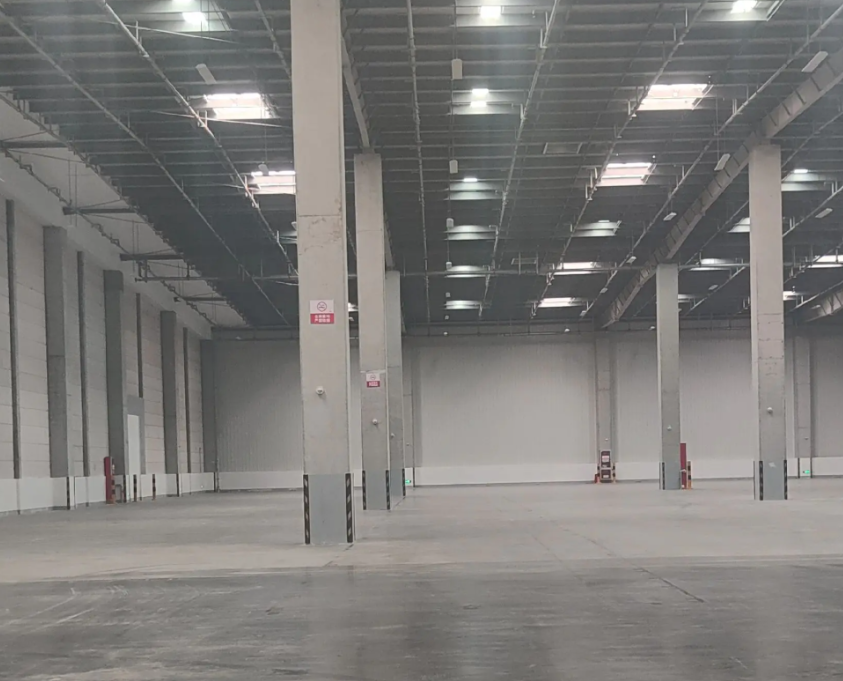
When you look at a large, open building like a warehouse or an industrial workshop, or even the sturdy structure of a bridge, have you ever wondered how it stands up without a forest of interior columns? The secret often lies in a clever piece of engineering called the rigid frame. It's a fundamental concept in construction, especially in steel structures, that allows for strength, stability, and wide-open spaces. Instead of relying on lots of separate pieces pinned together, a rigid frame connects its beams and columns with joints that are strong and stiff, making them act as a single, unified unit. This design is a game-changer for modern construction.
What Exactly is a Rigid Frame?
So, what makes a frame "rigid"? Think of a traditional door frame. The corner where the vertical side meets the horizontal top is usually just nailed or loosely joined. If you push on it, the corner can rack and become crooked. Now, imagine that corner is welded or bolted with heavy steel plates so it's just as strong as the rest of the frame. That corner can now resist being pushed out of square. That's the basic idea of a rigid frame. The connections between the beams and columns are designed to be moment-resisting, meaning they can transfer bending forces, not just simple pushes and pulls. This stiffness throughout the frame means the entire structure works together to resist the loads placed on it, whether it's the weight of a roof, the pressure of wind, or the heavy traffic on a bridge. It's a system built for strength and stability.
Creating Wide Open Spaces Inside Buildings
One of the biggest advantages of using a rigid frame in buildings is the ability to create large, column-free spaces. Because the frame itself is so strong and stiff, it can support the roof over a much wider area without needing interior posts to hold it up. Think about a modern warehouse or a distribution center. They need open floors to easily move goods with forklifts and store pallets. A rigid frame structure makes this possible. The examples shown by Zhongwei Heavy Industry, like the large-scale logistics warehouse in Bangkok or the specialized industrial workshop in Shenyang, are perfect illustrations. These projects rely on a core steel structure system, and at the heart of that system are rigid frames. They provide the clear spans needed for efficient operations, balancing efficiency and safety to create functional, modern spaces for industry and logistics.
Providing Strength and Stability for Bridges
Bridges face a different set of challenges than buildings. They have to support moving loads, resist powerful forces from wind and water, and often span long distances over rivers or valleys. Rigid frames are also an excellent choice here. In a rigid frame bridge, the roadway or deck is often built integrally with the supporting piers or abutments. This creates a continuous, joint-free structure that is very efficient at distributing the stresses from traffic and environmental forces. The rigidity helps control deflections and ensures the bridge remains stable and durable over time. While the website focuses on building projects, the engineering principles of strength, stability, and precision fabrication that a company with 20 years of experience applies to its warehouses are the same ones that make rigid frame bridges so reliable. It's all about creating a structure where every part works together seamlessly.
The Importance of Quality Engineering and Fabrication
For a rigid frame to perform as intended, the engineering and fabrication have to be top-notch. The connections are the most critical parts, and they must be made with extreme precision. This is where the expertise and facilities of a professional fabricator come into play. A company with advanced production lines and strict quality control, like Zhongwei Heavy Industry with its ISO and CE certifications, ensures that every beam, column, and connection is manufactured to exact specifications. Their professional R&D team can design the frame to handle the specific loads and conditions of the project. Whether it's a prefabricated steel structure for export or a complex frame for a domestic project, the quality of the fabrication determines the strength and safety of the final structure. When you invest in a well-engineered rigid frame, you're investing in a building or bridge that is built to last, providing dependable service for decades.