 EN
EN

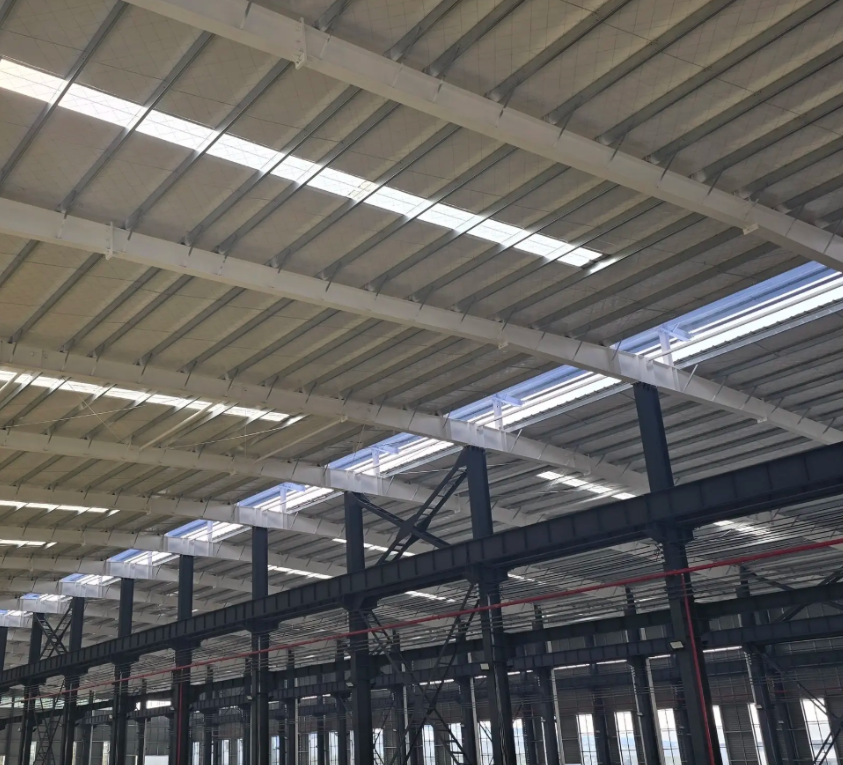
Εάν σχεδιάζετε ένα κτιριακό έργο, ένα από τα πρώτα μεγάλα ερωτήματα που θα αντιμετωπίσετε είναι με ποιο υλικό θα το κατασκευάσετε. Για δεκαετίες, η συζήτηση έχει συχνά επικεντρωθεί σε δύο «βαριά» υλικά: το χάλυβα και το σκυρόδεμα. Αποτελούν την ραχοκοκαλιά της σύγχρονης κατασκευής, από ψηλόκτηνα κτίρια μέχρι γέφυρες και αποθήκες. Μπορεί να ακούσετε ανθρώπους να συζητούν για το ποιο από τα δύο είναι καλύτερο, ενώ ένα συνηθισμένο ερώτημα είναι: «Ο χάλυβας είναι ισχυρότερος από το σκυρόδεμα;». Ωστόσο, η απάντηση δεν είναι τόσο απλή ώστε να είναι «ναι» ή «όχι». Είναι μάλλον σαν να συγκρίνουμε μήλα με πορτοκάλια. Κάθε υλικό διαθέτει το δικό του είδος αντοχής, τα δικά του μειονεκτήματα και τη δική του ιδανική εφαρμογή σε ένα έργο. Η κατανόηση αυτών των διαφορών είναι κεντρικής σημασίας για τη λήψη εξυπνότερων αποφάσεων.
Διαφορετικά Είδη Αντοχής: Εφελκυσμός έναντι Θλίψης
Για να κατανοήσουμε την αντοχή αυτών των υλικών, πρέπει να εξετάσουμε τον τρόπο με τον οποίο αντιμετωπίζουν διαφορετικές δυνάμεις. Φανταστείτε ότι προσπαθείτε να τραβήξετε μια ζαχαρωτή ταινία (τάφι) στα δύο — αυτή είναι μια εφελκυστική δύναμη. Τώρα φανταστείτε ότι πιέζετε προς τα κάτω ένα τούβλο — αυτή είναι μια θλιπτική δύναμη. Ο χάλυβας είναι πραγματικός «σούπερσταρ» όσον αφορά την εφελκυστική αντοχή. Η μοριακή του δομή του επιτρέπει να εκτείνεται χωρίς να σπάσει, γεγονός που εξηγεί γιατί οι χαλύβδινες δοκοί μπορούν να καλύπτουν μεγάλες αποστάσεις χωρίς στήριξη. Το σκυρόδεμα, αντιθέτως, είναι εξαιρετικά ανθεκτικό σε θλιπτικές δυνάμεις. Αντέχει εξαιρετικά καλά την πίεση, γεγονός που το καθιστά ιδανικό για θεμέλια και κολόνες που μεταφέρουν βαριά φορτία κατακόρυφα προς τα κάτω. Έτσι, όταν κάποιος ρωτά: «Είναι ο χάλυβας ανθεκτικότερος από το σκυρόδεμα;», η πραγματική απάντηση είναι: ο χάλυβας είναι πολύ πιο ανθεκτικός σε εφελκυστικές δυνάμεις, ενώ το σκυρόδεμα είναι πολύ ανθεκτικό σε θλιπτικές δυνάμεις. Ένα καλά σχεδιασμένο κτίριο αξιοποιεί και τα δύο υλικά στα πλεονεκτήματά τους. Για παράδειγμα, σε ένα αποθηκευτικό κτίριο με χαλύβδινο φέροντα οργανισμό, ο χαλύβδινος σκελετός αντέχει τις δυνάμεις κάμψης και εφελκυσμού, ενώ το σκυρόδεμα του θεμελίου αναλαμβάνει το βάρος και το μεταφέρει με ασφάλεια στο έδαφος.
Δυνατά Σημεία: Τι προσφέρει το καθένα από τα υλικά
Ας εξετάσουμε τι καθιστά κάθε υλικό ξεχωριστό. Όσον αφορά το χάλυβα, οι βασικές πλεονεκτικές του πτυχές είναι ο λόγος αντοχής προς βάρος και η ταχύτητα κατασκευής. Ο χάλυβας είναι εξαιρετικά ανθεκτικός σε σχέση με το βάρος του, γεγονός που σημαίνει ότι μπορείτε να δημιουργήσετε μεγάλους, ανοιχτούς χώρους χωρίς πολλές βαριές κολόνες. Επιπλέον, κατασκευάζεται εκτός τοποθεσίας, σε εργοστάσιο, με αυστηρό έλεγχο ποιότητας, και στη συνέχεια παραδίδεται έτοιμος για σύνδεση με βίδες. Αυτό καθιστά την κατασκευή γρήγορη και ακριβή, πράγμα που αποτελεί σημαντικό πλεονέκτημα για έργα όπως το αποθηκευτικό κέντρο λογιστικής στη Βανκόκ, το οποίο παραδόθηκε από την εταιρεία Zhongwei Heavy Industry, όπου ο χρόνος και η ακρίβεια είναι κρίσιμοι παράγοντες. Οι δυνατότητες του σκυροδέματος είναι διαφορετικές. Γενικά, είναι πιο οικονομικό σε τοπικό επίπεδο, ενώ παρουσιάζει εξαιρετική αντίσταση στη φωτιά και μεγάλη ανθεκτικότητα. Διαθέτει επίσης εξαιρετική θερμική αδράνεια, δηλαδή μπορεί να απορροφά θερμότητα κατά τη διάρκεια της ημέρας και να την απελευθερώνει τη νύχτα, γεγονός που μπορεί να συμβάλει στην ενεργειακή απόδοση ενός κτιρίου. Για ένα έργο όπως η μεγάλη σκυροδέματος δομή που χρησιμοποιήθηκε στο δημόσιο ιατρικό κτίριο, αυτές οι ιδιότητες είναι απαραίτητες για τη σταθερότητα, την ασφάλεια και τη μακροπρόθεσμη απόδοση.
Αδυναμίες: Οι προκλήσεις που συνεπάγεται κάθε υλικό
Φυσικά, κανένα από τα δύο υλικά δεν είναι τέλειο. Η κύρια αδυναμία του χάλυβα είναι η ευαισθησία του στη φωτιά και στη διάβρωση. Υψηλές θερμοκρασίες μπορούν να προκαλέσουν μείωση της αντοχής του χάλυβα και παραμόρφωσή του, γι’ αυτό και τα κτίρια από χάλυβα απαιτούν επικαλύψεις προστασίας από τη φωτιά. Η σκουριά επίσης αποτελεί συνεχή απειλή, επιβάλλοντας τη χρήση προστατευτικών βερνικιών ή γαλβάνισης, ιδιαίτερα σε υγρά ή παράκτια περιβάλλοντα. Το σκυρόδεμα παρουσιάζει επίσης δικές του προκλήσεις. Αν και εξαιρετικό υπό συμπίεση, είναι πολύ αδύναμο υπό εφελκυσμό και μπορεί να ραγίσει εάν δεν ενισχυθεί κατάλληλα με χαλύβδινα οπλισμένα ράβδια (rebar). Επιπλέον, είναι ένα βαρύ υλικό, γεγονός που σημαίνει ότι οι θεμελιώσεις πρέπει να είναι μεγαλύτερες και ισχυρότερες για να υποστηρίξουν το βάρος του. Τέλος, η κατασκευή με σκυρόδεμα είναι πιο αργή: απαιτείται η κατασκευή καλουπιών, η τοποθέτηση του οπλισμού, η χύτευση του σκυροδέματος και στη συνέχεια η αναμονή για τη σκλήρυνσή του και την απόκτηση αντοχής, κάτι που μπορεί να διαρκέσει εβδομάδες. Αυτό αποτελεί σημαντικό παράγοντα για έργα με σφιχτά χρονοδιαγράμματα, όπου η επιταχυνόμενη, προκατασκευασμένη κατασκευή ενός αποθηκευτικού κτιρίου από χάλυβα αποτελεί σαφή πλεονεκτήματα.
Η Επιλογή: Πρόκειται για το κατάλληλο εργαλείο για την εργασία
Λοιπόν, επιστρέφουμε στην ερώτηση. Είναι το χάλυβας αντοχότερος από το σκυρόδεμα; Ο πιο πρακτικός τρόπος να το δούμε είναι ότι έχουν διαφορετικές, συμπληρωματικές αντοχές. Η επιλογή δεν αφορά την ανάδειξη ενός «νικητή», αλλά την επιλογή του κατάλληλου υλικού για τη συγκεκριμένη εργασία. Για ένα έργο που απαιτεί μεγάλα, ανοιχτά ανοίγματα και γρήγορη κατασκευή, όπως ένας σύγχρονος γεωργικός κήπος με μεγάλες αποθήκες για βοοειδή ή ένα ειδικευμένο βιομηχανικό εργαστήριο, μια κατασκευή από χάλυβα είναι συχνά η ιδανική λύση. Για μια τεράστια βάση, ένα φράγμα ή ένα κτίριο όπου η θερμική μάζα και η απλή θλιπτική αντοχή είναι καθοριστικοί παράγοντες, το σκυρόδεμα μπορεί να είναι η κατάλληλη επιλογή. Και σε πολλά από τα καλύτερα σύγχρονα κτίρια, θα τα δείτε να λειτουργούν από κοινού: ένα χαλύβδινο πλαίσιο μπορεί να στηρίζεται σε σκυρόδεμα βάση, με πλάκες από σκυρόδεμα επάνω σε χαλύβδινα δάπεδα. Εμπειρογνώμονες εταιρείες, με επαγγελματικές ομάδες Έρευνας & Ανάπτυξης και βαθιά κατανόηση της μηχανικής, γνωρίζουν πώς να συνδυάζουν αυτά τα υλικά για να εκμεταλλεύονται τα πλεονεκτήματά τους και να αντισταθμίζουν τα μειονεκτήματά τους, παραδίδοντας μια κατασκευή ασφαλή, αποτελεσματική και σχεδιασμένη για να διαρκέσει.