 EN
EN

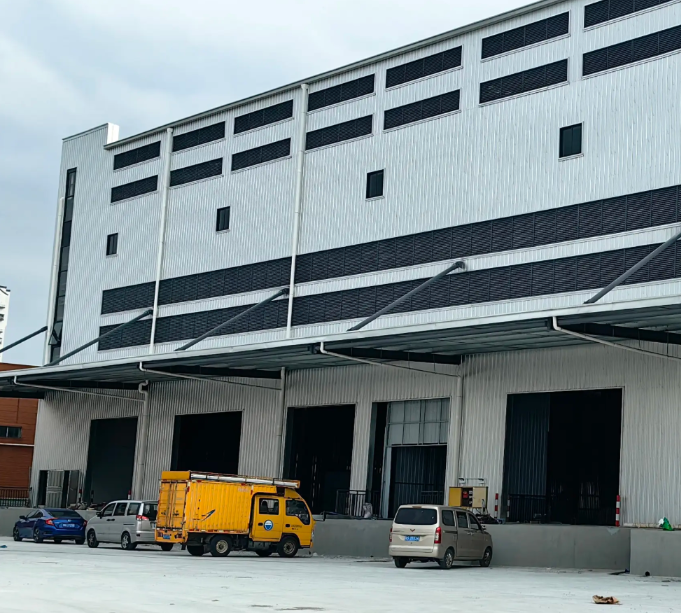
אם אי פעם ניהלתם עסק שכולל אחסון ותעבורה של סחורות, אתם יודעים שהמבנה עצמו יכול להצליח או לשבור את הפעולה שלכם. מחסן מעוצב היטב מקל על כל דבר. קבלת הסחורה, אחסון, איסוף, אריזה ומשלוח — הכל זורם חלק. מחסן מעוצב ירודה יוצר צוואר בקבוק, מבזבז זמן ומעלה את העלות. לאורך השנים עברתי דרך כל סוגי המחסנים. אלו שעובדים טוב משתפים כמה מאפיינים משותפים. הם לא רק חspaces פתוחות גדולות. הם בנויים במחשבה, כאשר כל רכיב ממלא תפקיד מוגדר. בואו נדבר על המרכיבים החיוניים האלה.
מסגרת מבנית חזקה
כל מחסן פונקציונלי מתחיל מבנייה איתנה. המסגרת היא מה שמחזיק את כל המבנה. היא תומכת בגג, בקירות ובכל הציוד שבתוך המבנה. פלדה היא החומר הנבחר ברוב המחסנים המודרניים, ובהיגיון טוב. היא חזקה, עמידה, ויכולה לכסות מרווחים ארוכים ללא צורך בעמודים רבים. המרווחים הארוכים הללו חשובים, משום שהם נותנים לכם שטח רצפה פתוח. תוכלו לסדר את המדפים ואת המעברים בלי להתחשב ביער של עמודים. בנוסף, על המסגרת המבנית להיות מעוצבת בהתאם לעומסים שהיא תישא – כלומר לא רק את משקל המבנה עצמו, אלא גם את משקל הסחורות האגורות, את תנועת הטרקטורים המניעים (פּוֹרק-ליפְט), והעומסים הסביבתיים כגון שלג ורוח. כאשר המסגרת מתוכננת כראוי, כל שאר הרכיבים ניצבים על יסוד איתן.
הממדים הנכונים והגובה הפנימי הפתוח
השטח הוא מה שמחסן מוכר, ואופן השימוש בשטח הזה קובע עד כמה הפעולה שלך תהיה יעילה. שני ממדים חשובים ביותר: השטח הכבוש (footprint) – כמה שטח רצפה יש לך, והגובה החופשי (clear height) – כמה גבוה הוא המרחב. רבים מתמקדים רק בשטח הריבועי, אך הגובה החופשי חשוב באותה מידה. מחסן עם תקרות גבוהות יכול לאחסן סחורות באופן אנכי, מה שיעיל בהרבה לעומת פיזור כל הסחורות על הרצפה. מערכות מדפים מודרניות יכולות להגיע לגבהים של 30, 40 ואפילו 50 רגל. כלומר, ניתן לאחסן יותר באותו שטח כבוש. הגובה החופשי משפיע גם על יעילות הפעולה של ציוד כמו משאבות ומעליות. אם התקרות נמוכות מדי, אתה מגביל את האפשרויות שלך. לקבוע את הממדים הנכונים כבר בשלב ההתחלה הוא אחד מההחלטות החשובות ביותר שתיאלץ לקבל.
רצפה מעוצבת היטב
רצפת המאגר נפגעת קשות. עומסים כבדים, תנועה מתמדת, רכבים מחליפים כיוון, פלטות נופלות. היא חייבת להיות מסוגלת לעמוד בכל זה. רצפת מאגר טובה היא שטוחה, אופקית וחלקת-משטח. השטיחות חשובה כי מערכות מדפים דורשות התקנה על משטח אופקי. אם הרצפה אינה שטוחה, המדפים עלולים להזדוז, מה שמהווה סיכון לביטחון. החלקות חשובה כי רכבים נעים ביעילות רבה יותר על משטח חלק, וזה מפחית את ההתעכלות של הצמיגים והציוד. הרצפה חייבת גם להיות חזקה מספיק כדי לעמוד בעומסים המונחים עליה. לא כל רצפות המאגר זהות. חלקן מעוצבות לאחסון קל, אחרות למערכות מדפים כבדות. הגדרת הרצפה הנכונה פירושה הבנת מה תישמר בה ואיך תועבר החומר.
אזורים יעילים לטעינה ופריקה
סחורה נכנסת וסחורה יוצאת. האופן שבו מטפלים בזרם הזה משפיע במידה רבה על היעילות הכוללת. אזור העמיסה והפריקה הוא המקום שבו קורה הפעולה. יש צורך במספר דלתות מסעדה מספיק כדי להתמודד עם הנפח שלכם. יש צורך בשטח מספיק למשאיות כדי לנוע. יש צורך במגשרים כדי לסגור את הפער בין המשאית לאזור המסעדה. ויש צורך בשטח פנימי כדי לארגן סחורה נכנסת ויוצאת. טעות נפוצה היא לקבוע שטח קטן מדי לאזור זה. משאיות שמחכות לעמיסה או לפריקה יוצרות עיכובים. דלתות מסעדה בנות מספר קטן מדי יוצרות צוואר בקבוק. המחסנים הטובים ביותר מתוכננים כך שזרמי הסחורה הנכנסת והיוצאת מופרדים, כדי שלא יתערבבו ויוצרים בלבול.
תכנון חכם לזרימת החומרים
איך הסחורה זורמת במלאי שלך חשוב באותה מידה כמו המקום שבו היא מאוחסנת. מחסן פונקציונלי כולל תכנון שטח שמאפשר את הזרימה הטבעית של החומרים. קבלת הסחורה ממוקמת בקצה אחד, המשלוח בקצה השני, והאחסון במרכז. המעברים רחבים מספיק כדי שמכונות הנשיאה יוכלו לנוע בבטחה וביעילות. אזורים לאיסוף הסחורה ממוקמים במקום המתאים לסוגי הסחורה המאוחסנים. כל תכנון השטח נועד למזער את המרחקים שהמכונות נאלצות לעבור. כל רגל שמכונת הנשיאה נוסעת עולה בזמן ובדלק. תכנון חכם מפחית את המרחקים הללו. ראיתי מחסנים שתכנון השטח שלהם נבנה תוך התמקדות בזרימה, וההבדל בתפוקה היה כה גדול עד שנדמה כאילו מדובר בשני עולמות שונים.
מערכות גג וקיר מתאימות
מעטפת הבניין מגינה על כל מה שבתוכו. גג טוב מונע חדירת מים ומספק בידוד. מערכת קירות טובה עושה את אותו הדבר. במפעל פונקציונלי, הגג והקירות חייבים לפעול ללא צורך בשימור מתמיד. זה אומר לבחור בחומרים שיעמדו במבחן הזמן. לוחות פלדה עם שichten הגנה נפוצים כי הם עמידים ודורשים שימור מינימלי. גם בידוד הוא חשוב. מפעל מבודד היטב קל יותר לשמור על טמפרטורה קבועה בו, מה שחשוב עבור חלק מהמוצרים ולנוחות העובדים. זה גם חוסך אנרגיה, מה שמתווסף לאורך זמן. הגג חייב גם להיות מעוצב כך שיסבול ממטענים של שלג אם אתם באקלים קריר, ומטענים של רוח בכל מיקום.
תאורה וחשמל מספקים
מחסן חשוך ומעורפל באור אינו מחסן פונקציונלי. אנשים צריכים לראות מה הם עושים. למנהלי המניפולטורים יש צורך בראות ברורה. דיוק הבחירה תלוי ביכולת לקרוא תווית ולזהות מוצרים. תאורה טובה משפרת גם את הבטיחות. ימי התאורה החשוכה והחמה הסתיימו. מחסנים מודרניים משתמשים בתאורת LED שהיא בהירה, יעילה ויכולה להיות מזונת כך שהתאורה דולקת רק באזורים שבהם היא נדרשת. חשמל הוא נושא נוסף שדורש תשומת לב. עליכם להבטיח קיבולת חשמלית מספקת לתאורה, לציוד, לטעינת מניפולטורים ולכל מערכות אחרות שעליהן אתם סמוכים. תכנון צרכים חשמליים בשלב מוקדם חוסך לכם שדרוגים יקרים בשלב מאוחר יותר.
בטיחות ואבטחת אש
ביטחון אינו משהו שמוסיפים בסוף. הוא מובנה במפעל פונקציונלי כבר מהשלב הראשון. הגנת אש היא נושא מרכזי. מערכות הזרקת המים (ספריינקלרים) צריכות להיות מעוצבות כך שיעבדו יחד עם סידור המגירות. יציאות האש צריכות להיות מסומנות בבירור ולא חסומות. הבניין עצמו חייב לעמוד בתקנות האש, מה שברוב המקרים פירושו שימוש בחומרים שמונעים התפשטות של האש. מעבר לאש, קיימים היבטים נוספים של ביטחון. המעברים חייבים להיות רחבים מספיק כדי לאפשר תנועה בטוחה. המגירות חייבות להיות עוגנות כראוי. הרצפה חייבת להיות חופשית מכשולים שעלולים לגרום לבלימה. מפעל פונקציונלי הוא זה שבו אנשים יכולים לעבוד בבטחה, וזה דורש תכנון מחושב כבר מהשלב הראשון.
אווירור ושליטה בהתקף
תלוי בממה שמאחסנים, בקרת האקלים עשויה להיות חיונית או אופציונלית. למוצרים יבשים כמו מוצרים מארוזים, ויסות בסיסי של האויר עלול להיות מספיק. לפריטים רגישים לטמפרטורה יש צורך בבקרת אקלים אמיתית. גם אם אין צורך בקירור, ויסות תקין של האויר עוזר למנוע היווצרות קondenציה ומשמר את המרחב נוח לעובדים. באקלימים חמים, זה אומר לשמור על הקירור של הבניין. באקלימים קרים, זה אומר לשלוט ברמת הרטיבות. מחסן מעוצב היטב לוקח בחשבון את זרימת האויר ובקרת הרטיבות, לא רק את הטמפרטורה. מערכות אלו תופסות מקום ודורשות חשמל, ולכן יש לתכנן אותן מראש.
בסיס לטכנולוגיה
מחסנים מודרניים פועלים על טכנולוגיה. מערכות ניהול מלאי, מערכות ניהול מחסנים, סורקים לקוד בר, ציוד אוטומטי – כל אלה תלויים בבניין שמסוגל לתמוך בהם. כלומר, יש צורך בהתקנת תשתית רשת, בהספקת חשמל במקום הנדרש, ובتخطيط שמתאים למערכות אוטומטיות אם זה חלק מתוכניתכם. גם אם אינכם משתמשים באוטומציה כרגע, הגיוני לתכנן את הבניין כך שיהיה ניתן להוסיף אותה בעתיד. התכנון הנכון, הגובה החופשי הנכון, שטיחיות הרצפה הנכונה – כל אלה חשובים אם תחליטו לאוטמט את המבנה בעתיד. מחסן פונקציונלי הוא כזה שיכול להתאים עצמו כשמשתנות הטכנולוגיות.
מחסן הוא יותר מסתם בניין גדול. זהו מכונה להובלת סחורות, וככל כל מכונה, היא זקוקה לחלקים הנכונים כדי לפעול כראוי. השלד המבני, הממדים, הרצפה, אזורים העמיסה, התוכנית, מעטפת הבניין, האור, מערכות הבטיחות, בקרת האקלים – כל הרכיבים הללו חייבים לפעול יחדיו. כאשר הם פועלים יחד, התוצאה היא בניין שמשפר את יעילות הפעולה שלכם, מגביר את הבטיחות ומעריך את הרווחיות. כאשר הם לא פועלים יחד, אתם נאבקים בבניין מדי יום. השגחה על כך שהכול ייעשה כראוי מתחילה עם הבנת הצרכים האמיתיים של מחסן פונקציונלי, ולאחר מכן וידוא כי הצרכים הללו נבנوا לתוך הבניין כבר בשלב ההתחלה.