With the advancement of the global “dual carbon” goal, the integration technology of steel structures and Building-Integrated Photovoltaics (BIPV) has become the core direction of the steel industry’s green and low-carbon transition. As energy consumption and carbon emissions remain key challenges for large-scale industrial facilities, the ability to combine structural systems with renewable energy generation is reshaping how steel enterprises plan, construct, and upgrade their production environments. In recent years, related technologies have undergone multiple iterations and upgrades, moving rapidly from conceptual exploration to large-scale application in major steel enterprise projects.
Against this backdrop, steel structure–BIPV integration is no longer viewed as an auxiliary energy solution, but as a systematic engineering approach that unifies building safety, energy efficiency, and lifecycle value. By embedding photovoltaic functions directly into steel roofs and envelopes, industrial buildings can simultaneously meet structural requirements and generate clean energy, significantly improving overall resource utilization efficiency.
The new-generation Longding system launched by Longi Sente is a representative example of this technological evolution. Through in-depth integration design of photovoltaic modules and roof structures, the system effectively addresses long-standing roof utilization challenges across different industrial scenarios. Unlike traditional rooftop PV systems that are added after building completion, the Longding system is designed as part of the building itself, ensuring compatibility between load-bearing performance, waterproofing, durability, and power generation efficiency from the outset.
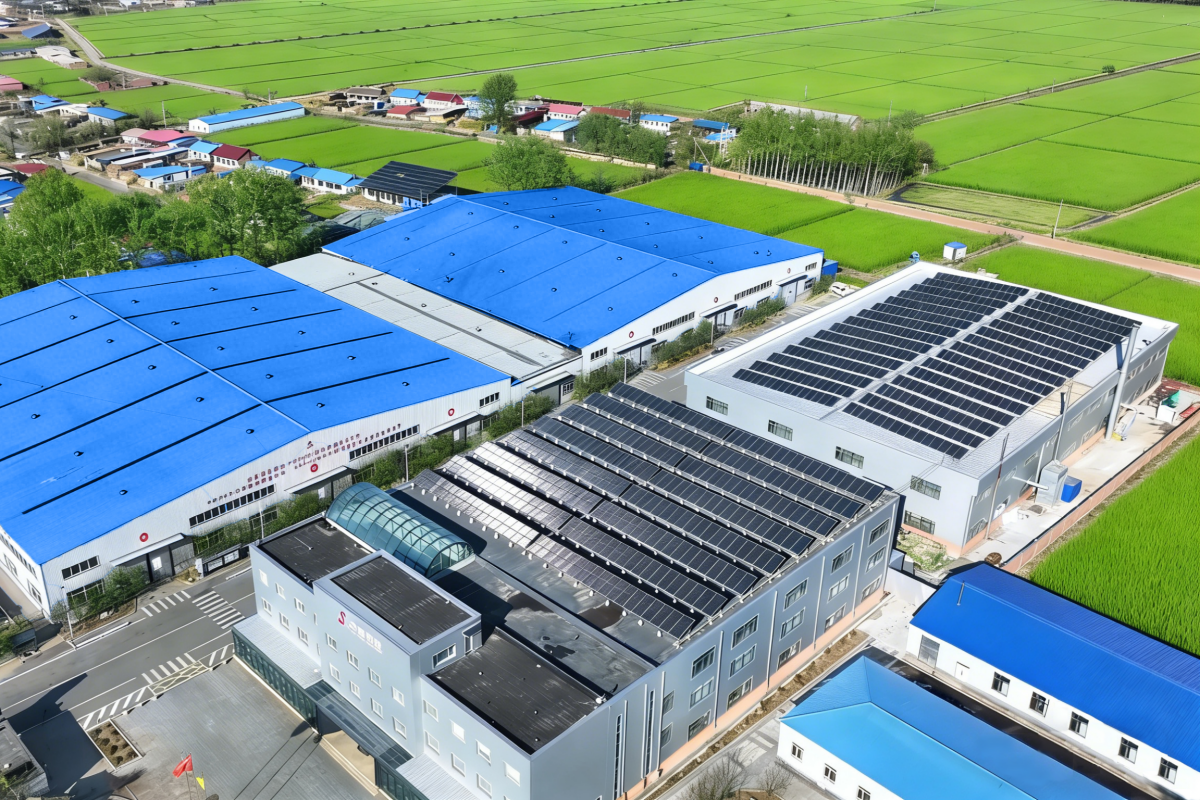
This integrated design philosophy has been successfully validated in the new hot-rolled plant project of Baowu Taiyuan Iron and Steel. In this project, the steel structure roof and the BIPV system were planned and constructed synchronously, allowing structural optimization and photovoltaic layout to be coordinated at the design stage. This approach avoided repetitive construction, reduced material waste, and improved construction efficiency. More importantly, from a lifecycle perspective, the project is expected to achieve a carbon reduction of approximately 240,000 tons, clearly demonstrating the substantial environmental benefits that integrated steel structure–BIPV solutions can deliver in large industrial facilities.
For existing steel plants and old factory buildings, green transformation presents different technical challenges. Many older industrial roofs face issues such as aging waterproof layers, limited load capacity, and high maintenance costs. Conventional photovoltaic retrofitting methods often rely on drilling or welding connections, which may damage the original roof structure and introduce long-term leakage risks. In response to these concerns, the Longding system adopts innovative non-destructive connection technology, fundamentally eliminating leakage hazards during installation and long-term operation.
This technical advantage has been fully demonstrated in the renovation of the silicon steel plant area of Baowu Xinyu Iron and Steel. After the integrated renovation, the project significantly reduced annual maintenance expenses associated with roof repairs and waterproofing. At the same time, the photovoltaic system provides stable, long-term power generation benefits, creating continuous energy output throughout the building’s service life. The combination of reduced maintenance costs and sustained energy generation effectively enhances the overall economic performance of the facility while supporting carbon reduction objectives.
The steel industry is characterized by complex operating environments, which place higher demands on the adaptability of BIPV systems. Dust-intensive production processes, high-temperature conditions, and unconventional roof geometries—such as curved or variable-slope roofs—have historically limited the application of photovoltaic systems in many steel plants. To overcome these barriers, the technical team behind the integrated solution has developed targeted innovations, including anti-dust structural designs and slope-following photovoltaic laying schemes.
These technical solutions improve the reliability and efficiency of photovoltaic systems under harsh industrial conditions. Anti-dust designs reduce the impact of particulate accumulation on power generation efficiency, while slope-following layouts allow photovoltaic modules to adapt to curved or irregular roof structures without compromising structural safety or waterproof performance. As a result, roof areas that were previously considered unsuitable for photovoltaic deployment can now be effectively utilized.
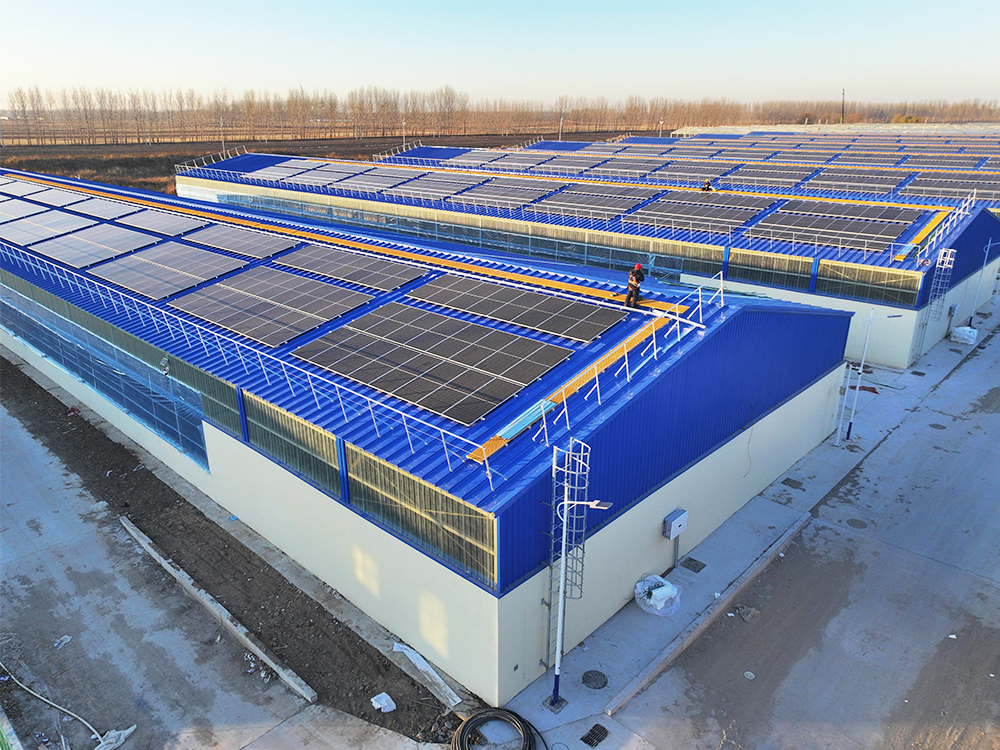
Projects such as Shaanxi Iron and Steel Longgang and Jiangsu Changqiang Iron and Steel have successfully applied these solutions. Through tailored design and precise implementation, these projects activated roof resources that were once difficult to utilize, further expanding the application boundaries of steel structures in the new energy field. The successful implementation of these projects highlights the flexibility and scalability of integrated steel structure–BIPV technology across diverse industrial scenarios.
From a broader perspective, the continuous upgrading of steel structure–BIPV technology is redefining the role of industrial buildings within the energy system. Steel structures provide high strength, long spans, and flexible design, making them ideal carriers for integrated photovoltaic systems. When combined with advanced BIPV solutions, industrial buildings evolve from single-function production spaces into multifunctional assets that support energy generation, carbon reduction, and sustainable development.
This integration also delivers clear lifecycle advantages. By unifying structural systems and photovoltaic components into a single design framework, issues such as mismatched service life, incompatible materials, and fragmented maintenance responsibilities are effectively avoided. The result is a more stable, durable, and manageable system that delivers consistent performance over decades of operation.
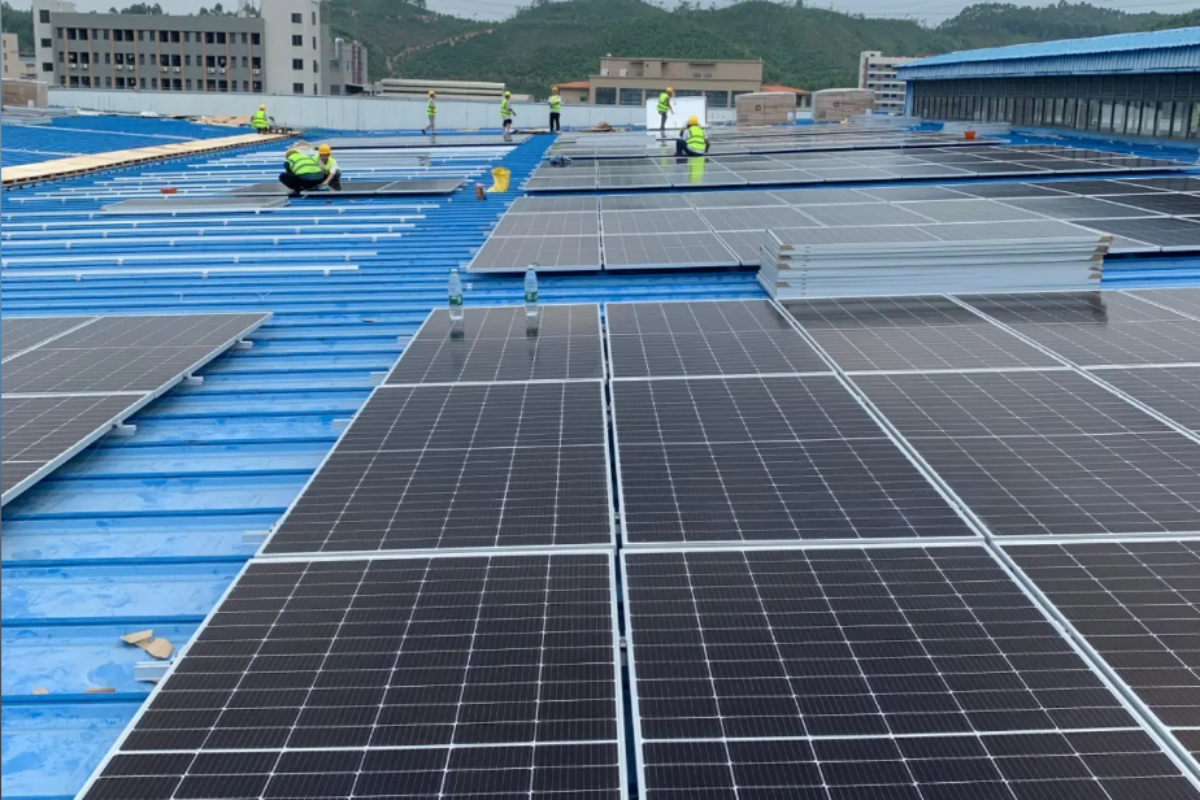
As policies supporting renewable energy and low-carbon development continue to strengthen, steel enterprises are increasingly seeking solutions that align production efficiency with environmental responsibility. Steel structure–BIPV integration provides a practical and scalable pathway to achieve this balance, enabling enterprises to reduce carbon emissions, enhance energy self-sufficiency, and improve asset utilization without disrupting core production activities.
Looking forward, ongoing technological iteration is expected to further enhance system performance, adaptability, and economic efficiency. Advances in photovoltaic materials, intelligent monitoring systems, and structural optimization will allow integrated solutions to respond more effectively to diverse environmental and operational conditions. With more large-scale projects demonstrating measurable environmental and operational benefits, steel structure–BIPV integration is poised to become a mainstream configuration for new industrial construction and a preferred option for factory renovation.
In conclusion, driven by the “dual carbon” objective, the continuous upgrading of steel structure–BIPV technology is accelerating the low-carbon transformation of the steel industry. Through multiple successful applications in large steel enterprise projects, this integrated approach has proven its value in reducing emissions, improving roof utilization, and enhancing long-term operational efficiency. As the industry moves toward a greener future, steel structure–BIPV solutions will play an increasingly important role in shaping sustainable, energy-efficient industrial infrastructure.
 Hot News
2026-06-29
2026-06-29
2026-06-26
2026-06-26
2025-12-26
2025-08-24
 EN
EN