 EN
EN

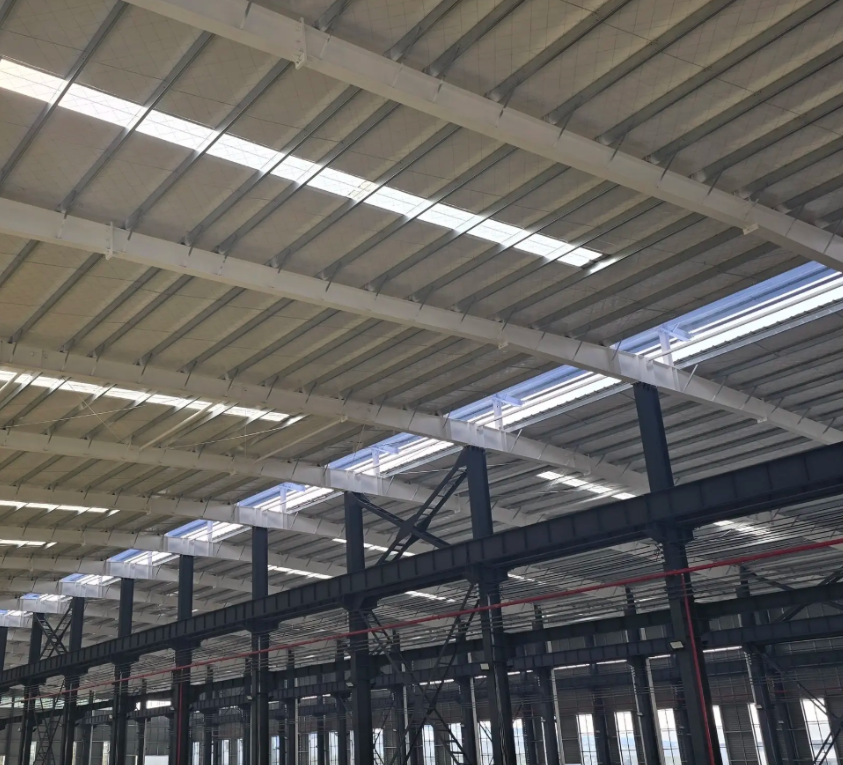
If you are in the middle of planning a new industrial space, you already know that time equals money. You want something strong, durable, and most importantly, ready for action as soon as possible. That is exactly where a prefab steel warehouse shines. It comes with all the benefits of modern engineering, factory precision, and quick on site assembly. But here is the thing: just because the parts are prefabricated does not mean you can just start throwing them together. To get that speed without sacrificing quality or safety, you have to follow professional guidelines to assemble prefab steel warehouse quickly. Over the years, many experienced steel structure providers have refined this process into a smooth workflow. Let me walk you through how this is done, from the first bolt to the final panel.
Why Safety Comes First Before You Even Lift a Beam
Before we talk about lifting heavy steel or tightening bolts, we need to talk about safety. When you are working with large steel members and heavy equipment, even a small mistake can lead to big problems. Professional companies always start with a thorough site safety plan and a risk assessment. This means checking everything from where the crane will sit to where workers can walk safely. Everyone on site needs the right personal protective equipment, which includes safety helmets, full body harnesses with lifelines, anti skid shoes, gloves, and reflective jackets.
Another thing that often gets overlooked is material handling. When you are lifting steel columns and rafters with cranes, you need certified slings and shackles. The crew has to verify the load capacity before every lift and keep an eye on wind speeds. If the wind picks up too much, you stop. No exceptions. There is also a simple rule that keeps everyone safe: never lift a load over people. This might sound like common sense, but you would be surprised how many accidents happen when people rush and ignore this rule.
On top of that, the foundation has to be ready before any steel goes up. This means checking the anchor bolts, making sure the concrete has fully cured, and verifying that everything is level within a few millimeters. If the anchor bolts are off by even a small amount, the whole structure can end up out of alignment. Fixing that later is a nightmare. So take the time to get it right from the start. It is always better to spend an extra hour checking than to spend days fixing mistakes.
Getting Ready for Assembly The Right Way
Now let us talk about preparation. You might think the real work starts when you lift the first column, but actually, the most important step happens before that. Once all the steel components arrive at the site, you need to do a full inventory check. Go through every packing slip and compare it to what is actually sitting on the truck. Look for any signs of damage during transport, like dents, rust spots, or bent flanges. If something is missing or broken, you need to sort that out immediately. Waiting until halfway through the erection to realize you are short on bolts or a beam is the wrong size will cost you days of delay.
You also need to think about how the site is laid out. Where will the crane sit? Where will you store the steel components? How will different crews move around without getting in each others way? Good coordination between the crane operator, the steel erectors, and the concrete guys makes everything run smoother. If everyone is tripping over each other, not only does work slow down, but the risk of accidents goes way up.
Another part of getting ready is making sure the foundation is fully cured and ready to go. Concrete needs time to gain strength. Trying to put up steel before the concrete is strong enough can crack the foundation and cause serious problems down the road. So be patient. Let the concrete cure properly while you organize your materials and get your crew trained up on the erection drawings.
Step by Step Erection That Keeps Things Moving Fast
Alright, now for the fun part: putting the building together. The key to speed here is following the right sequence. Professional crews always start with the braced bay. That is the section of the building that has all the cross bracing and wind bracing installed. Why start there? Because once that bay is up and braced, it becomes a stable anchor that you can build everything else off of.
First, you set the columns in place over the anchor bolts. You put on the leveling plates and nuts, but you do not fully tighten everything just yet. Finger tight is fine for now. Then you bring in the rafters and bolt them to the tops of the columns. This is usually done with a crane. As the rafters go up, you also put in temporary bracing to keep the frame from twisting or tipping over. This temporary bracing is absolutely critical. Do not skip it. A frame that is not braced can collapse under its own weight or get pushed over by a gust of wind.
Once the first frame is up and temporarily braced, you move on to the next frame. You keep going bay by bay. As each new frame goes up, you start adding the secondary steel, which includes purlins for the roof and girts for the walls. These smaller members connect the main frames together and give the building its rigidity. You also start installing the permanent cross bracing at this stage. The permanent bracing replaces the temporary stuff once the structure is stable enough.
One thing that makes a huge difference in how fast the job goes is how well you handle alignment. After each frame is erected, you need to check that it is plumb and square. Use a plumb bob or a laser level. Make sure the columns are straight up and down. Check the diagonal measurements from corner to corner to make sure the frame is square. If you let things get out of alignment early on, every subsequent frame will be off too. And fixing that later means loosening bolts, shifting steel, and a whole lot of wasted time.
After all the main frames are up and the secondary steel is in place, you move on to installing the roof and wall panels. This part goes pretty quick if the frame is straight and square. Start with the wall panels, working from the least visible side toward the front. This helps hide any small lap joint shadows and gives the finished building a cleaner look. Pre drill the panel stacks so your screw lines stay straight. And do not forget to wipe away the metal shavings as you go, because those little pieces can rust and stain the panels if you leave them sitting there.
For the roof panels, you need to be extra careful about safety. Workers should only walk on the bottom corrugation of the panels, not on the tops. And never walk on the translucent or skylight panels because those are not designed to hold weight. Use chalk lines to keep your panel alignment straight. Good alignment here means a roof that does not leak and looks professional from the outside.
Staying Safe and Keeping Quality High Throughout the Build
Throughout the entire erection process, safety has to stay front and center. When you are working at heights, which happens a lot when putting up a prefab steel warehouse, you need proper fall protection. That means full body harnesses with lifelines attached to secure anchor points. No cutting corners. If a worker does not have their harness on, they do not go up. Period.
Another big safety concern is the crane operation. Only experienced crane operators should be running the lift. The signal person needs to be clearly visible to the operator at all times. And before every lift, check the rigging. Look for worn slings, bent shackles, or any other signs of damage. If something looks questionable, replace it. A failed lift can send a multi ton steel beam swinging through the air, and that is a disaster waiting to happen.
Quality control is just as important as safety. Professional crews follow the erection drawings carefully. Every bolt gets tightened to the right torque specification. Every weld gets inspected. Every panel gets fastened properly. Cutting corners on quality might save you an hour today, but it will cost you big time down the road when things start rusting, leaking, or falling apart.
Also, keep an eye on the weather. If it is raining, snowing, or super windy, stop the work. Wet steel is slippery steel. High winds make crane lifts dangerous. Trying to push through bad weather is a sure way to cause an accident or mess up the quality of your installation. A good project schedule builds in some buffer days for weather delays, because in construction, the weather is never perfect for as long as you want it to be.
Wrapping It All Up Why Professional Guidelines Get the Job Done Faster
So here is the bottom line. If you want to get your prefab steel warehouse built quickly without ending up with a crooked, leaky, or unsafe building, you have to follow professional guidelines to assemble prefab steel warehouse quickly. That means starting with a solid safety plan, doing thorough prep work before the first beam goes up, following the right erection sequence, and keeping quality high all the way through.
The companies that have been doing this for years, like those with deep experience in steel structure fabrication and export, know that speed does not come from rushing. It comes from being organized, following proven methods, and never compromising on safety or quality. When you do it right, the building goes together smoothly, the crew stays safe, and you end up with a warehouse that will serve you well for decades.
Whether you are building a small storage shed or a massive logistics center, the same principles apply. Get the foundation right. Check your materials. Start with the braced bay. Keep everything plumb and square. Use the right safety gear. And follow the erection drawings like they are the law, because for that project, they are.
Take your time in the prep phase, and the erection phase will fly by. Cut corners on prep, and you will be fighting problems every step of the way. It really is that simple. So plan ahead, stay safe, and enjoy watching your prefab steel warehouse take shape one frame at a time.