 EN
EN

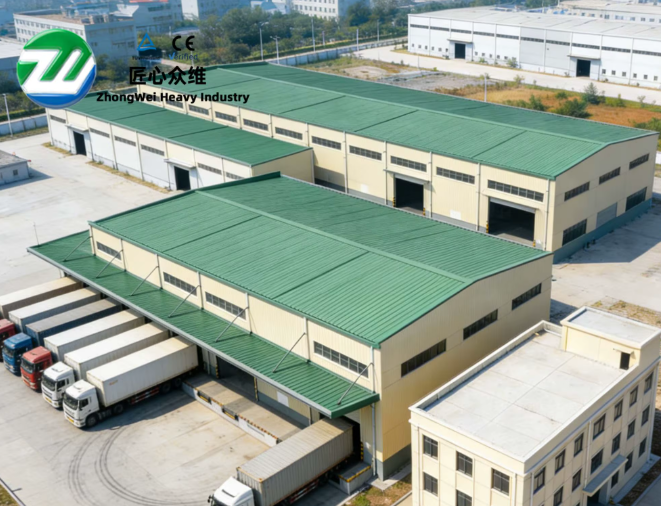
So you have decided to go with a prefabricated workshop. Good call. These buildings are a game changer when you need solid work space without waiting around for months. The whole idea behind a prefabricated workshop is speed, but speed does not mean rushing and messing things up. There is a smart way to do this, and a not so smart way. Let us walk through how to get that workshop standing strong and ready to use, without wasting time or losing your mind.
Start with Serious Site Prep
A lot of folks want to skip straight to the fun part, which is watching the steel frame go up. But here is the truth. The time you spend preparing the ground is the most valuable time in the whole project. If your site is not ready, nothing else goes right. You need to clear the area of trees, rocks, and random junk first. Then level the ground so it is flat and stable. Do not just eyeball it. Use actual equipment to get it right. A sloping or uneven pad will cause headaches later when your steel columns do not stand straight. Also check for drainage. Water pooling around your foundation is a slow death for any building. Get those permits sorted out before you dig a single hole. Nothing kills momentum like a government official showing up to shut you down because you skipped the paperwork.
Get That Foundation Right the First Time
The foundation is what your entire prefabricated workshop sits on, so do not cheap out here. Most prefab steel buildings use either a concrete slab or a pier foundation. A slab is great if your ground is already pretty level and stable. You pour the concrete, let it cure, and boom, you have a solid floor to work on. Pier foundations are better for uneven ground or places where water tends to hang around. You dig down, set concrete piers, and then bolt the steel columns to them. Either way, the anchor bolts have to be placed with crazy accuracy. Even being off by a quarter inch can make your steel frame impossible to assemble. Use a template to hold the bolts in place while the concrete dries. And do not rush the curing time. If you start putting weight on green concrete, it will crack, and you will be doing the whole thing over again.
Erect the Steel Frame Like a Pro
Here is where the prefabricated workshop really shows off its advantage. The steel components come from the factory already cut, drilled, and marked. Everything fits together like a giant Lego set. Start by setting the columns. Use a crane to lift each column onto its anchor bolts. Get the column plumb before you bolt it down. That means perfectly vertical, not leaning one way or the other. Temporary bracing is your best friend during this step. Leave those braces on until the whole frame is tied together.
Once the columns are up, move on to the rafters. These are the horizontal pieces that go across the top and form the roof shape. If you can, assemble the rafters on the ground before lifting them into place. Working at ground level is way faster and safer than trying to bolt things together while balancing on a ladder. After the main frame is up, add the purlins and girts. Purlins run across the rafters to support the roof panels. Girts do the same thing for the walls. These smaller members lock the whole structure together and stop it from racking sideways.
Put the Roof and Walls On
Once the skeleton is standing, you get to close it in. Roof panels usually go on first. Corrugated metal sheets are the standard choice because they are lightweight, strong, and overlap to keep water out. Start at one end and work your way across. Overlap each panel by at least one full rib. Use self drilling screws with neoprene washers to fasten them down. Those washers compress and seal the hole so water does not sneak in. Same idea for the wall panels. Work from the bottom up so each panel overlaps the one below it, like shingles on a house. This keeps rain from blowing up under the edges.
Watch the weather forecast before you start this step. You do not want to be halfway through installing roof panels when a thunderstorm rolls in. A half finished roof is basically a giant funnel for water.
Install Doors, Windows, and Finishing Touches
With the shell complete, you can add the openings. Roll up doors are common for prefabricated workshops because they save space and let big equipment roll in and out. Frame the door opening with extra steel members so it stays square and solid. Windows are nice for natural light, but keep in mind that every hole in the wall is a potential leak point. Seal around every door and window frame with good quality caulk or flashing tape.
Also think about insulation now if you need it. A bare steel workshop gets roasting hot in summer and freezing cold in winter. Fiberglass batts or rigid foam boards can go between the wall girts and roof purlins before you put the panels on. It is much harder to add insulation after the fact, so decide early.
Keep Safety First Throughout the Process
Here is something that does not get talked about enough. Installing a prefabricated workshop is heavy work. Steel is not forgiving. Everyone on site should be wearing hard hats, gloves, and steel toed boots. Use harnesses when you are working at height. No exceptions. A lot of injuries happen when people try to save five minutes by skipping safety gear. Those five minutes are never worth it. Also make sure your crane operator knows what they are doing. Lifting heavy steel sections over peoples heads is not the time to learn on the job.
Why This Whole Process Works So Well
The beauty of a prefabricated workshop is that almost all the tricky work happens in the factory. By the time the materials show up on your site, every hole is drilled, every piece is marked, and everything fits. This cuts construction time by as much as 40 percent compared to traditional building methods. That is not just a nice number. That means you get your workshop running weeks or even months sooner.
At Xinlongteng, we have seen customers go from an empty lot to a fully functioning workshop in a matter of days. The key is following the steps in order. Prep the site right. Build the foundation solid. Erect the frame carefully. Close it in tight. And never skip the safety steps. Do those things, and your prefabricated workshop will be standing strong for decades.