 EN
EN

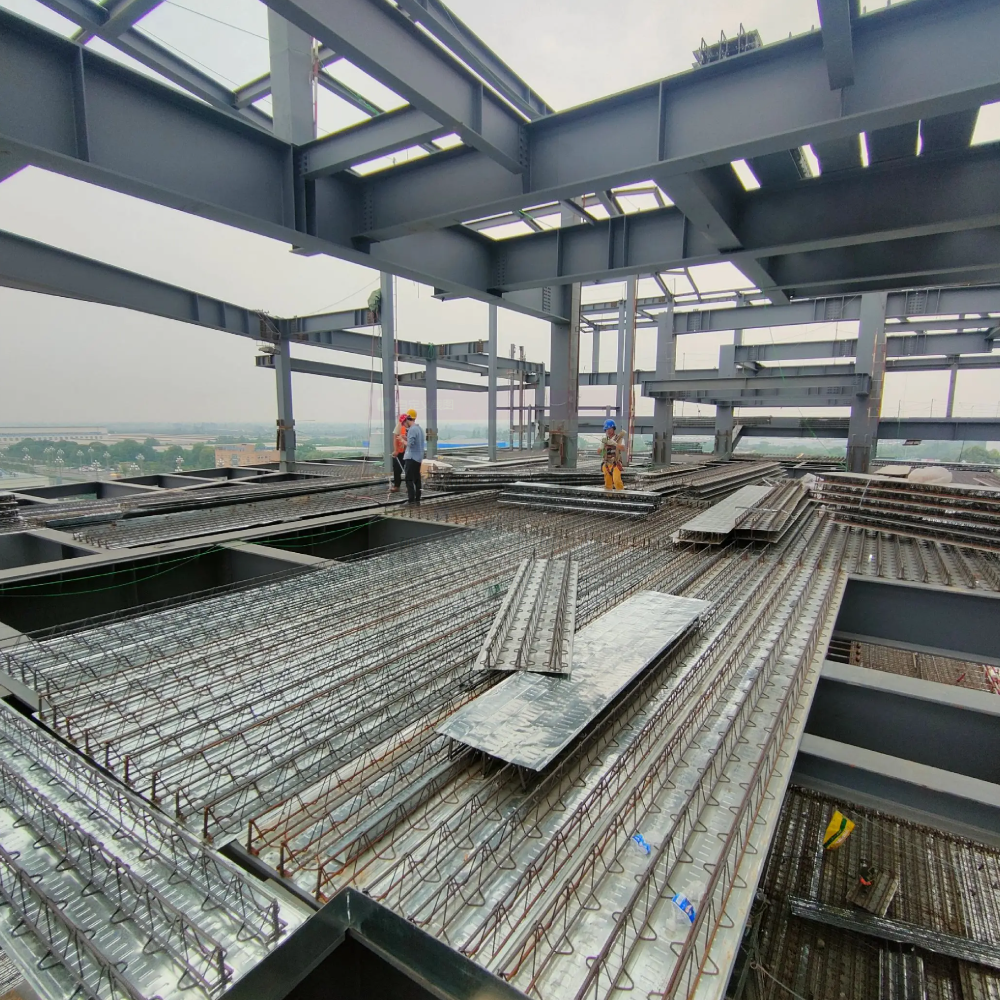
Start with a Clear Picture of Your Needs
Choosing a prefab steel warehouse is a decision that shapes how the business operates for years. Rushing into a standard size because it is readily available or because a competitor bought something similar often leads to regrets down the line. The selection process should start with a thorough look at what the building needs to do. List the types of goods that will be stored, their dimensions and weights, and how they will be handled. Palletized inventory on racking systems creates different demands than bulk materials stored in floor stacks. Consider the equipment that will work inside. Forklift types, turning radii, and reach heights directly influence the required clear height and aisle widths. Think about the loading and unloading workflow. How many trucks need to dock at once? Does the operation need drive through access from both ends? Answering these operational questions first creates a functional specification that guides every other decision about the prefab steel warehouse.
Size the Building for Today and Tomorrow
Undersizing a warehouse to save on upfront costs is a common mistake. The savings disappear quickly when the business outgrows the space and faces the cost and disruption of an expansion or a move. A prefab steel warehouse has a significant advantage here. The modular nature of steel construction makes future expansion simpler than with traditional building methods. End walls can be designed as removable frames rather than permanent structures, allowing the building to be extended in length when more space is needed. When sizing the building, consider not just current storage volumes but the growth trajectory over the next five to ten years. Factor in seasonal inventory peaks that temporarily require more space. The clear span design also gives flexibility in how the interior is laid out, so the same footprint can accommodate different racking configurations as needs evolve.
Evaluate Structural and Material Quality
Not all steel buildings are built to the same standard. The quality of the steel, the engineering behind the frame, and the protective coatings all determine how well the prefab steel warehouse performs over its service life. Look for primary structural steel that meets recognized international standards. The yield strength of the steel directly affects how efficiently the frame carries loads and resists forces from wind, snow, and seismic activity. Secondary members like purlins and girts should be properly sized for the span and loading conditions. Pay attention to the coating system. Hot dip galvanizing provides robust corrosion protection for steel components. For wall and roof panels, check the base material thickness and the type of coating applied. A warehouse in a coastal environment needs much stronger corrosion protection than one in a dry inland location. Ask potential suppliers about the specific grades and coatings they use rather than accepting general assurances about quality.
Match the Building Envelope to the Climate
The roof and wall panels of a prefab steel warehouse do more than enclose the space. They manage heat, light, moisture, and airflow. The right choices depend heavily on the local climate and what gets stored inside. Insulated sandwich panels help maintain stable interior temperatures in regions with hot summers or cold winters. This matters for warehouses storing temperature sensitive goods and for facilities where people work inside year round. Reflective roof coatings reduce solar heat gain and lower cooling costs in sunny climates. Skylights or translucent panels bring natural light into the interior, reducing daytime electricity use for lighting. Adequate ventilation prevents condensation buildup that can damage stored goods and accelerate corrosion on steel components. Ridge vents, wall louvers, or powered exhaust fans all contribute to keeping air moving through the building.
Assess the Supplier Thoroughly
The company that fabricates and supplies the prefab steel warehouse matters as much as the building design itself. A capable supplier should have in house engineering staff who can review local building codes, calculate structural loads specific to the site, and produce stamped drawings for permitting. Look for a supplier with their own manufacturing facility rather than one that outsources production. In house fabrication means better quality control and more accountability when issues arise. Ask about the supplier's track record with projects similar in size and type to yours. References from previous clients provide honest insight into what the working relationship is really like. A supplier who communicates clearly during the sales process is more likely to communicate well during production and delivery. Check that they can handle the logistics of shipping steel components to the site and provide clear assembly instructions or on site supervision during erection.
Consider the Total Cost of Ownership
The purchase price of a prefab steel warehouse tells only part of the story. Operating costs accumulate year after year and often outweigh the initial construction budget over the building's lifetime. A well insulated building costs more upfront but saves on heating and cooling every month. A higher quality coating system extends the interval before repainting is needed, reducing long term maintenance expenses. Natural lighting features cut electricity bills. A properly engineered building that meets all applicable codes avoids costly retrofits later. When comparing quotes from different suppliers, ask for breakdowns that separate the building structure from optional features so you can make informed trade offs. The lowest initial price rarely delivers the best long term value. Focus on what the building will cost to own and operate over its first twenty years, not just what it costs to purchase on day one.
Selecting the right prefab steel warehouse comes down to knowing what you need, choosing a building that can grow with the business, insisting on quality materials, matching the design to the climate, and partnering with a capable supplier. The upfront effort put into these decisions pays back through a facility that fits the operation perfectly and performs reliably for decades.