 EN
EN

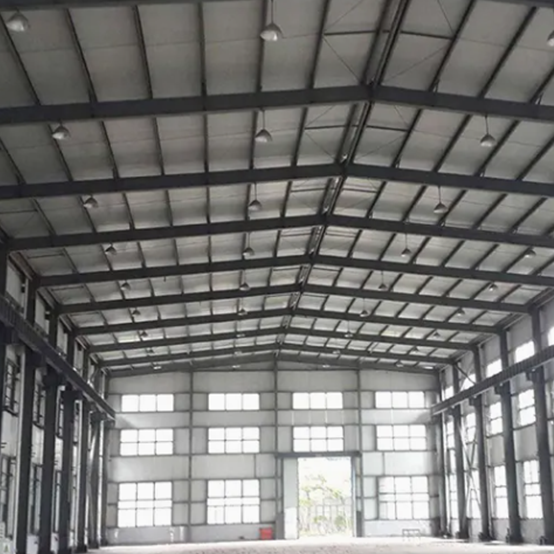
Warehouse space is expensive. Every square meter costs money to build, light, heat or cool, and maintain. When that space is used inefficiently, the business pays twice, once for the unused capacity and again for the operational slowdowns caused by congestion and disorganization. A steel structure warehouse offers key advantages for storage optimization right from the start. Column free clear spans eliminate obstacles that force forklifts to take indirect routes. Tall interior heights open up vertical storage potential that shorter buildings simply cannot match. But the building frame only provides the canvas. How you organize the storage systems, aisle layout, and material flow inside that frame determines whether the facility performs at its full potential or limps along at a fraction of what it could handle.
Choose the Right Racking System for Your Inventory
The racking configuration inside a steel structure warehouse has a bigger impact on storage density than almost any other decision. Selective pallet racking works for operations that need immediate access to every pallet, but it leaves a lot of vertical air unused. Double deep racking stores two pallets deep, increasing density at the cost of slightly slower access. Drive in and drive through racking systems pack even more pallets into the same footprint by reducing the number of aisles, making them ideal for high volume products with lower turnover rates. Push back and pallet flow systems use gravity to move pallets forward, combining high density with good accessibility. For smaller items, shelving and bin systems organized by SKU velocity put fast moving picks at the most accessible locations. There is no single best racking type for every situation. The choice depends on inventory profiles, turnover rates, and the balance between storage density and pick speed.
Use Vertical Space Aggressively
The clear height inside a steel structure warehouse is one of its most underused assets. Many operations stack pallets only as high as a forklift can comfortably reach and leave everything above that level empty. Modern narrow aisle forklifts and very narrow aisle systems can operate in aisles barely wider than the machine itself while reaching heights of ten meters or more. This multiplies the pallet positions available without expanding the building. Mezzanine floors create additional levels for slower moving inventory, packaging supplies, or auxiliary operations that do not require heavy floor loading. Even simple changes like adding an extra beam level to existing racking frames can increase capacity by twenty or thirty percent with minimal investment. The steel structure warehouse frame is built to handle these vertical loads. Making full use of that capacity improves the return on the original construction investment.
Design Aisles That Balance Access and Density
Aisle width is a constant tradeoff in warehouse design. Wider aisles let forklifts move faster and turn more easily, which improves throughput. Narrower aisles pack more racking into the same footprint, which improves storage density. The right balance depends on the operation. High volume distribution centers that need rapid picking and frequent truck loading benefit from wider working aisles. Long term storage facilities that hold inventory for weeks or months can afford tighter aisles. In a steel structure warehouse, the absence of interior columns makes it easier to lay out consistent aisle patterns without awkward offsets or dead spaces. Keeping aisles straight and parallel from one end of the building to the other simplifies navigation and reduces the risk of collisions.
Organize Inventory by Velocity
Not all stored items are equal. Some SKUs move in and out daily. Others sit for months between picks. Placing fast movers near the shipping and receiving doors reduces travel time for the most frequent trips. Slower moving inventory can live deeper in the steel structure warehouse or on higher rack levels where access takes longer but happens far less often. This velocity based slotting approach cuts total forklift travel distance significantly compared to random storage. Reviewing slotting assignments every quarter or after major inventory changes keeps the system aligned with actual activity patterns. The labor savings from shorter travel distances add up quickly across hundreds of daily movements.
Maintain Clear Staging and Receiving Areas
One of the fastest ways to lose usable space in a steel structure warehouse is letting staging and receiving areas sprawl unchecked. Inbound shipments sit on the floor waiting to be put away. Outbound orders accumulate near the dock doors. Returns pile up in a corner. All of these temporary holding zones consume space that should be available for active storage. Setting strict boundaries for staging areas, marking them clearly on the floor, and enforcing time limits on how long items can remain there keeps these zones from creeping outward. Dedicated receiving lanes and shipping lanes with sufficient space for peak volumes prevent bottlenecks without permanently sacrificing storage capacity. Good housekeeping in these transition areas makes the entire warehouse operation smoother.
Optimizing space in a steel structure warehouse combines smart racking choices, aggressive use of vertical capacity, thoughtful aisle design, and disciplined inventory management. The steel frame provides the structural freedom to pursue all of these strategies without the limitations imposed by interior columns or low ceilings. Operations that invest in this kind of optimization see measurable gains in storage capacity, picking efficiency, and overall throughput.