 EN
EN

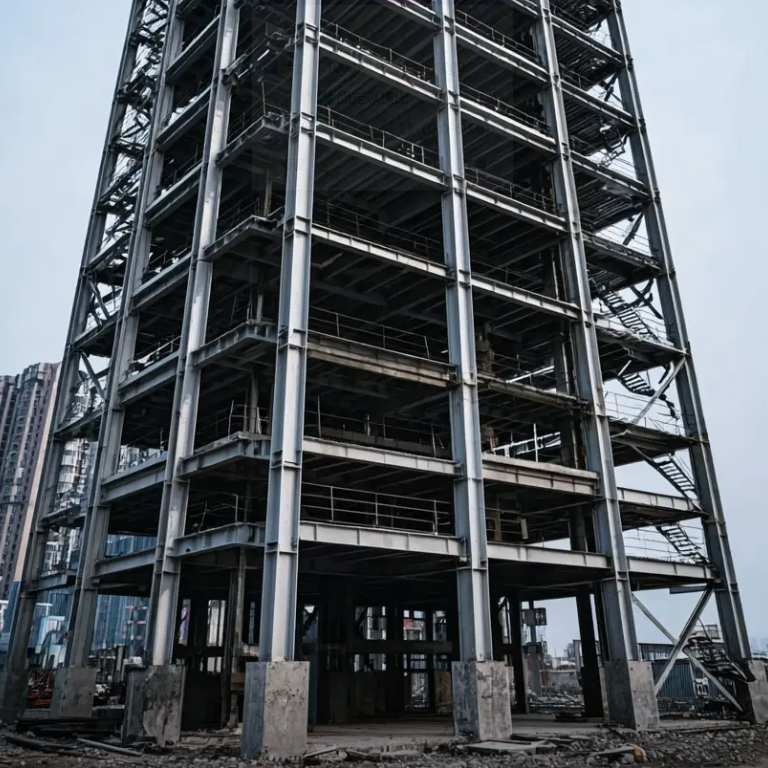
Before you can pick the right one, you need to know what is actually out there. In the world of steel buildings, most people talk about two main players: C purlins and Z purlins. There are also hat sections and omega profiles, but those are more specialized. The real workhorses for roofs and walls are the C and Z shapes.
C purlins look just like the letter C when you look at them from the end. They have a simple shape with two flanges on the sides and an open back. This shape makes them super easy to handle and install. For smaller buildings or projects where you do not need crazy long spans, C purlins get the job done without any fuss. They are straightforward, and there is not much that can go wrong if you follow basic guidelines.
Z purlins are a bit different. Their ends look like a Z shape, with flanges that angle out. This might not sound like a big deal, but that little angle makes a huge difference when you start connecting them together. Z purlins can be nested or overlapped at the supports, which basically turns a bunch of separate pieces into one long continuous beam. That overlapping trick is where the magic happens. It makes the whole roof stiffer and allows you to cover much longer distances without needing extra columns in the middle.
There is also the hat purlin, which looks like a top hat from the side. You see these more in wall systems or places where you need a flat surface for attaching insulation or interior liners. They are good for certain jobs, but for the vast majority of industrial roofs, C and Z are what you will be looking at.
Key Factors That Will Drive Your Decision
Alright, so you know what the main types of purlins are. Now comes the hard part: figuring out which one actually works for your specific project. This is where a lot of people get stuck, but it does not have to be complicated if you break it down step by step.
The very first thing you need to look at is your span length. How far apart are your main frames or rafters? If your spans are on the shorter side, say less than 6 meters or about 20 feet, C purlins are usually the way to go. They are cheaper, easier to find, and simple to bolt into place. But once you start pushing past that 6 meter mark, Z purlins start to make a whole lot more sense. Because Z purlins can be overlapped at the supports, they can handle longer spans with less deflection, meaning your roof stays flatter and stronger without using a ton more steel.
Next up, you have to think about the loads. What is going on top of that roof? Are you in a place that gets heavy snow every winter? Do you get hurricane force winds? Is the building going to have solar panels or heavy HVAC units up there? All of that adds weight that your purlins have to carry. Z purlins generally have a higher load bearing capacity compared to C purlins of the same size, so for heavy duty situations, Z is often the better bet.
Roof slope is another factor that people overlook. If you have a roof with a steeper pitch, Z purlins actually work better because their angled flanges line up nicely with the slope. On flatter roofs, both types can work, but C purlins are a bit simpler to detail. Some engineers even use Z purlins for the roof and switch to C purlins for the wall girts. That is a pretty common setup because walls usually have shorter spans and different load directions.
Do not forget about the environment either. If your building is going up near the ocean or in a place with high humidity, you need to think about rust. The types of purlins you pick matters less than the coating on them, but some profiles hold up better than others in certain conditions. More on that later.
Getting the Installation and Corrosion Protection Right
Once you have picked your purlin type, the next big question is how to put them in properly and keep them from rusting away over time. Because even the best purlin in the world is useless if it falls apart after five years.
Let us talk about spacing first. Typical purlin spacing ranges from about 1 meter to 3 meters, or roughly 3 to 6 feet, depending on your roof panels and local building codes. If you space them too far apart, your roof panels will sag and feel spongy when you walk on them. Space them too close, and you are wasting money on steel you do not need. The trick is to match your purlin spacing to the load rating of your roof panels. Most metal panel manufacturers provide span tables that tell you exactly how far apart you can put your purlins for a given panel thickness and load condition.
For Z purlins, overlapping at the supports is the whole point. You want to make sure the overlap length is adequate, typically around 10 to 15 percent of the span. That overlap is what creates the continuous beam effect and gives you all that extra strength. If you just butt them end to end like C purlins, you lose that benefit entirely. So pay attention to that detail.
Now about corrosion. Steel and water do not get along. If your purlins are going to be exposed to moisture, whether from rain, humidity, or condensation, you need a good protective coating. Hot dip galvanizing is the gold standard here. The process involves dipping the steel into molten zinc, which bonds to the surface and creates a barrier that also sacrifices itself to protect the steel underneath. A good galvanized coating can last 50 years or more in rural areas and 20 to 30 years in coastal environments. That is a pretty solid track record.
For less harsh conditions, a good quality paint or powder coating might be enough. But if you are building anywhere near salt water or in an industrial area with corrosive fumes, do not cheap out on the coating. Pay a little more upfront for galvanized purlins, and you will save yourself a ton of headache and replacement cost down the road.
Also, make sure you use the right fasteners. Stainless steel or specially coated screws are a must. If you use regular old carbon steel screws, they will rust out in a couple of years and leave your purlins flapping in the wind. It is a small detail, but it makes a huge difference.
Making Your Final Choice and Moving Forward
So after all that, how do you actually decide? Here is a simple rule of thumb that most experienced builders follow.
For smaller buildings with short spans, straightforward roof shapes, and lighter loads, go with C purlins. They are affordable, easy to work with, and get the job done without any complicated details. Think storage sheds, small workshops, or simple commercial buildings.
For larger buildings with longer spans, heavy snow or wind loads, or roofs that need to be extra stiff, Z purlins are your friend. The ability to overlap them at the supports makes them much more efficient for big industrial warehouses, aircraft hangars, sports facilities, and agricultural buildings. You will use less steel overall and end up with a stronger roof.
And do not be afraid to mix and match. Lots of smart engineers use Z purlins on the roof and C purlins on the walls. Walls usually have shorter spans and different load patterns, so C purlins work great there. The key is to understand the different types of purlins and how each one performs in different situations. Once you have that knowledge, picking the right one becomes a lot less mysterious.
One more piece of advice: always run your numbers. Guessing is not good enough when it comes to structural steel. Work with a qualified engineer or use reputable span tables and load charts from your manufacturer. And always check your local building codes. Some areas have specific requirements for wind uplift, snow loads, or seismic forces that might change what type of purlin you need.
At the end of the day, choosing the right purlin is about balancing cost, performance, and durability. There is no single right answer for every building. But if you take the time to understand your loads, your spans, and your environment, you will be able to make a smart choice that keeps your roof standing strong for decades.