 EN
EN

The Hidden Cost of Poor Layout
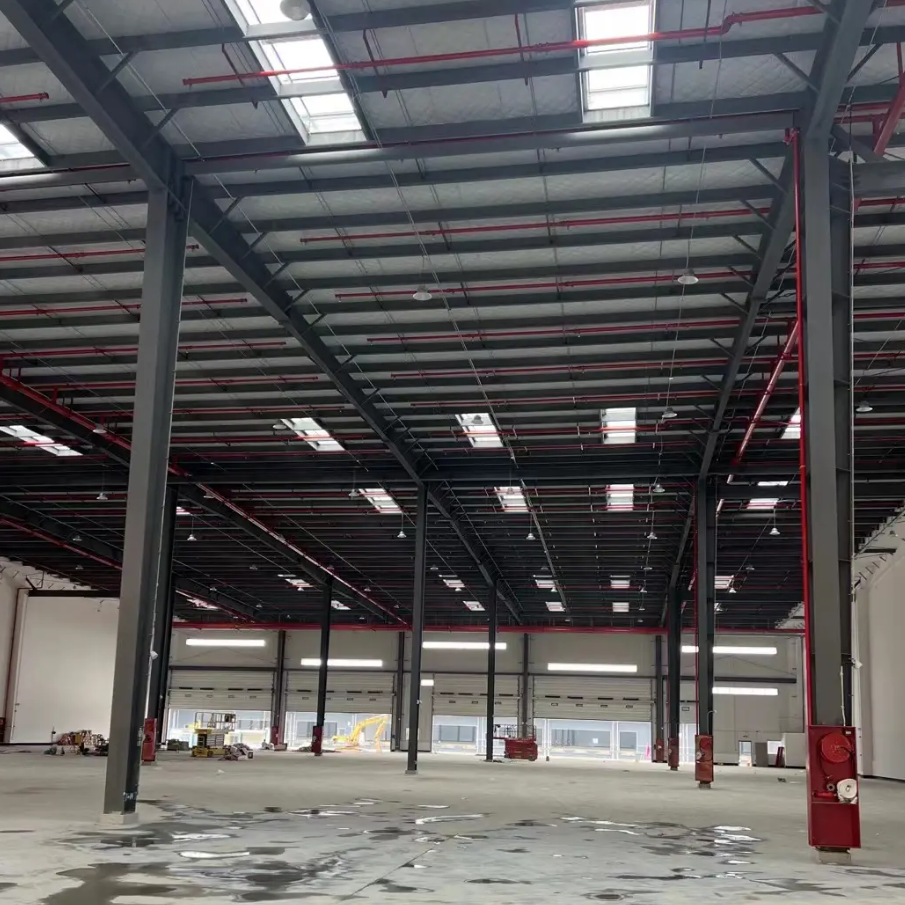
Space inside a steel structure workshop is never as abundant as it first appears. New equipment arrives, production volumes grow, and before long the open floor that seemed generous during commissioning feels cramped and chaotic. The financial cost of a disorganized workshop is real and ongoing. Workers spend extra minutes walking between stations. Material gets double handled. Forklift paths cross and recross unnecessarily. Every one of those wasted movements chips away at productivity. The good news is that a steel structure workshop offers inherent advantages for space optimization. Clear span designs eliminate interior columns that would otherwise dictate where equipment can and cannot go. Tall eave heights open up vertical storage possibilities that shorter buildings cannot offer. Taking full advantage of these features starts with thinking about the space differently.
Design Zones Around Your Production Flow
The most effective way to lay out a steel structure workshop is to let the production process dictate the zones, not the other way around. Map out the journey that raw materials take from the moment they enter the building until finished products leave. That path should flow in one direction with as few crossbacks as possible. Group related operations together. Cutting and fabrication stations belong near the raw material storage area. Assembly areas sit downstream from fabrication. Finishing and quality control stations sit near the shipping door. When the layout follows the process, materials move smoothly and workers do not spend half their day walking back and forth across the building. Aisle widths need enough room for forklifts and material carts to pass safely, but excessively wide aisles steal floor space from productive use. Finding the right balance comes from watching how traffic actually moves during a normal shift and adjusting accordingly.
Go Vertical Before You Expand Outward
The generous ceiling height of a steel structure workshop is one of its most valuable features, yet many operations treat everything above head height as dead air. That space can work hard when you plan for it. Vertical storage racks, mezzanine floors, and elevated equipment platforms all multiply the usable square footage without adding a single square meter to the building footprint. Mezzanines work well for lighter activities like parts storage, tool cribs, or office space that does not require heavy equipment. Heavier operations stay on the ground floor where the slab can handle the load. Cantilever racks along the walls store long materials like pipes, bars, and extrusions vertically, freeing up floor space that would otherwise be taken up by horizontal storage. Even simple overhead racks for infrequently used jigs and fixtures keep those items accessible without consuming valuable floor real estate.
Keep Flexibility Built Into the Design
Manufacturing needs shift over time. A product line that runs full speed today might scale back next year, or a new contract might require a completely different equipment layout. A steel structure workshop supports this kind of change better than most building types because the structural frame does not depend on interior walls for stability. Non load bearing partitions can be moved. Equipment bolted to the slab can be relocated. Overhead utilities like compressed air, electrical busbars, and dust extraction ducting should be installed with future reconfiguration in mind. Drop points at regular intervals along the walls and ceiling make it easier to connect new equipment without major rework. The more flexibility you design into the initial setup, the faster and cheaper future layout changes become.
Make Material Handling Efficient
Material handling eats up a surprising amount of time in a typical steel structure workshop. Raw stock gets delivered to one end of the building, machined parts move to assembly, finished goods move to shipping, and scrap moves to recycling. Every transfer between these stages requires labor and equipment. Reducing the distance between sequential operations cuts handling time directly. Position raw material racks as close as possible to the first processing station. Place assembly benches near the fabrication area that feeds them parts. Keep packaging and shipping supplies right at the dispatch door. When handling cannot be eliminated, make it as smooth as possible with roller conveyors, dedicated cart paths, and clearly marked staging areas.
Use Lighting and Markings to Define the Space
A well organized steel structure workshop communicates its layout visually to everyone who walks through the door. Floor markings in high visibility paint or tape show where equipment sits, where aisles run, and where material staging areas begin and end. This seems simple, but it has a big impact on daily discipline. When every zone has a clear boundary, items are less likely to drift into walkways or block access to equipment. Good lighting supports both safety and productivity. LED high bay fixtures that distribute light evenly across the work floor reduce shadows and eye strain. Natural light from translucent roof panels or wall lights further improves the working environment while cutting daytime electricity use.
Optimizing space in a steel structure workshop is not about cramming more into the same footprint. It is about arranging what you have so that work flows naturally, materials travel the shortest possible distance, and every square meter serves a purpose. A thoughtful layout paired with a willingness to adapt as needs change turns a crowded workshop into a productive, efficient facility.