Prefabricated Steel Structure Delivery Accelerates Overseas Industrial Construction: Zhongwei Heavy Industry Reduces Cross-Border Construction Risk Through Factory Manufacturing, Project-Specific Standard Adaptation and Full-Process Service
Lead: Against the backdrop of renewed investment in overseas industrial warehouses, manufacturing workshops and agricultural facilities, owners’ requirements for steel structure buildings are shifting from “rapid erection” to “compliance with local codes, traceable manufacturing and controllable installation costs.” Shenyang Zhongwei Heavy Industry Steel Structure Engineering Co., Ltd. has developed a one-stop delivery chain around customized design, factory prefabrication, international standards alignment, global logistics and on-site technical guidance. For buyers, the core value is no longer the price of a single component, but integrating structural safety, delivery schedule, installation efficiency and long-term maintenance risk into one supplier evaluation model. |
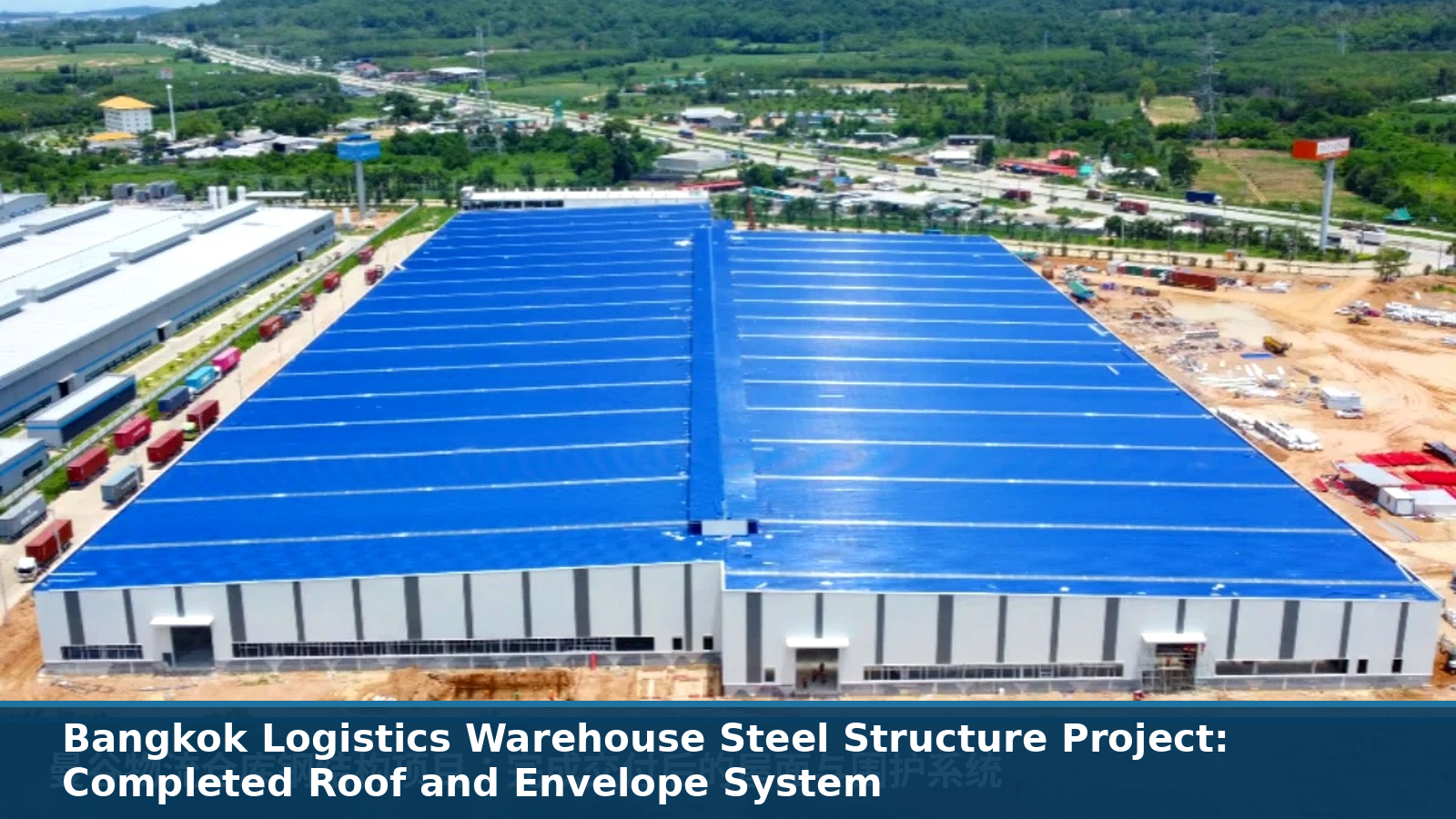
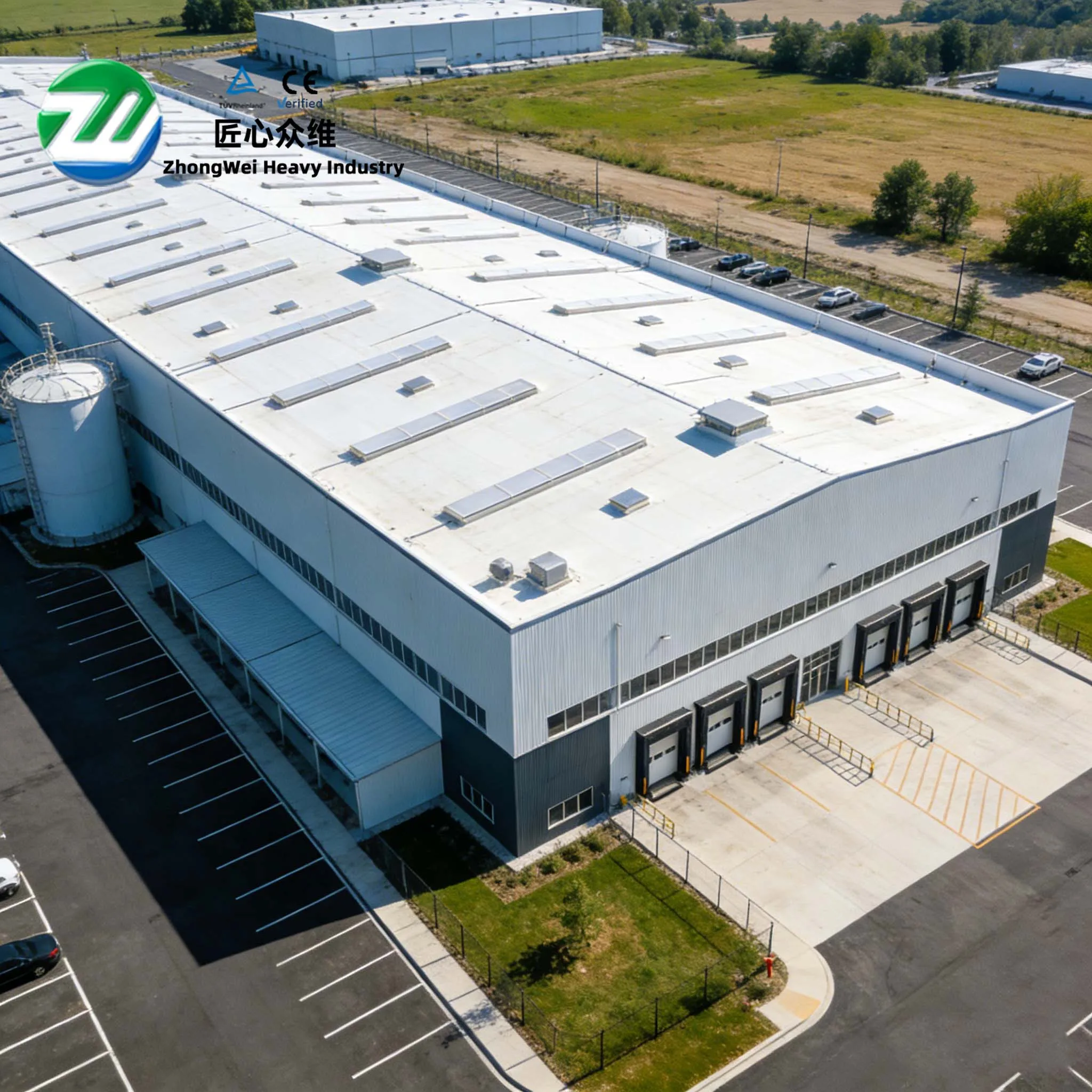
Figure 1. Aerial view of the Bangkok logistics warehouse project.
1. Project Overview: Overseas Warehouse Demand Drives Steel Structure Delivery Toward “Code Adaptation + Prefabricated Assembly”
On August 24, 2025, the large-scale logistics warehouse steel structure project undertaken by the company in Bangkok, Thailand, was completed and officially delivered. The company was responsible for the production, manufacturing and shipment of approximately 4,150 tonnes of steel structure, with the supply scope covering the warehouse’s main steel structure, long-span roof bracing system and supporting auxiliary components. The project was designed for large-capacity storage and high-efficiency logistics operations, which placed high requirements on structural safety, load-bearing capacity, construction accuracy and long-term durability.
Overseas steel structure procurement is moving from “buying materials” to “buying engineering certainty.” For project owners, EPC contractors and facility operators, any deviation in beam and column sections, roof bracing, envelope systems, anti-corrosion coatings, packaging and shipment, or installation guidance can become on-site lifting delays, secondary processing, claims or schedule losses. Therefore, whether a supplier has front-end design communication, factory quality control and cross-border delivery experience is becoming a decisive factor in technical selection.
2. Product Advantages: Steel Structures That Meet Local Project Codes Should Not Be Judged by Tonnage Price Alone
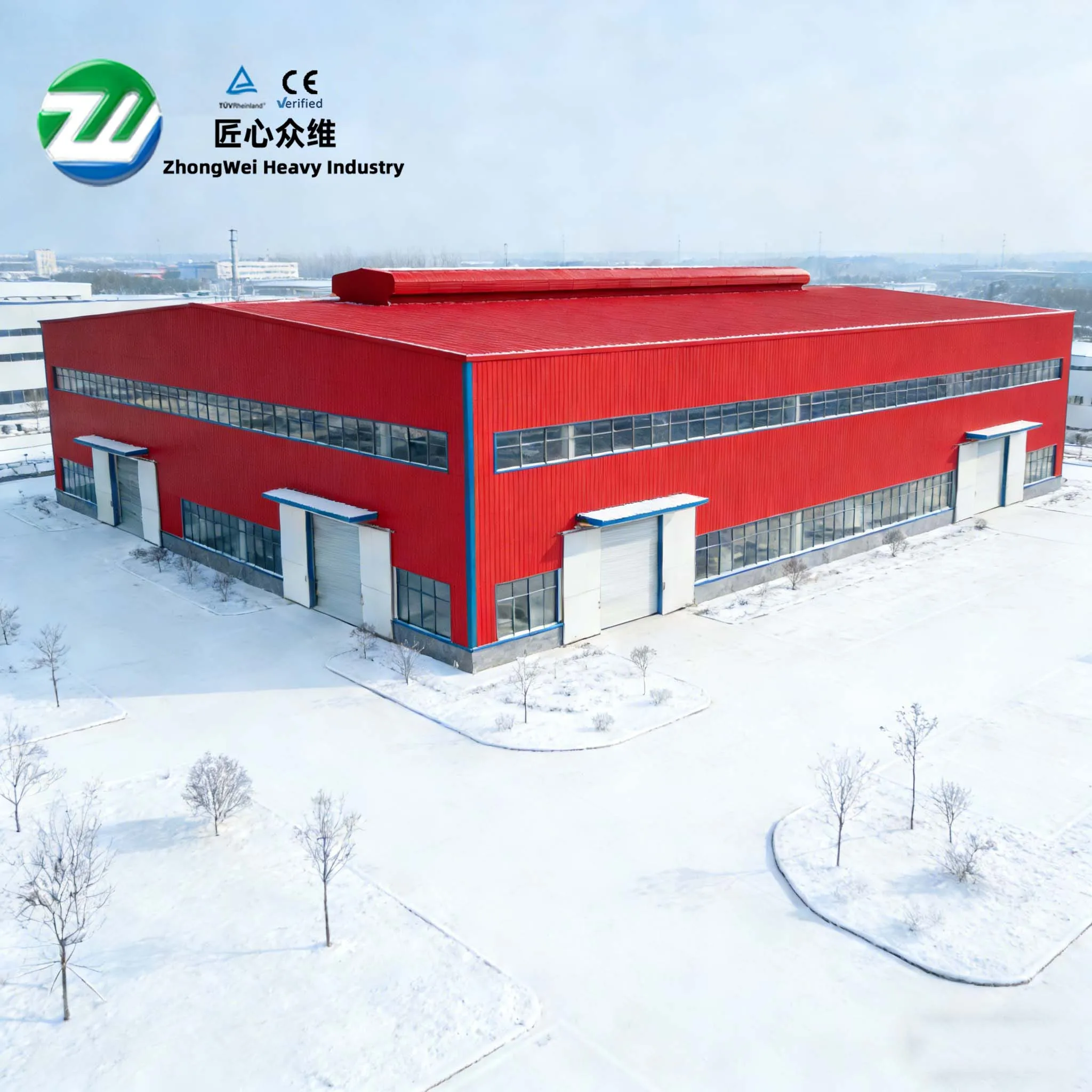
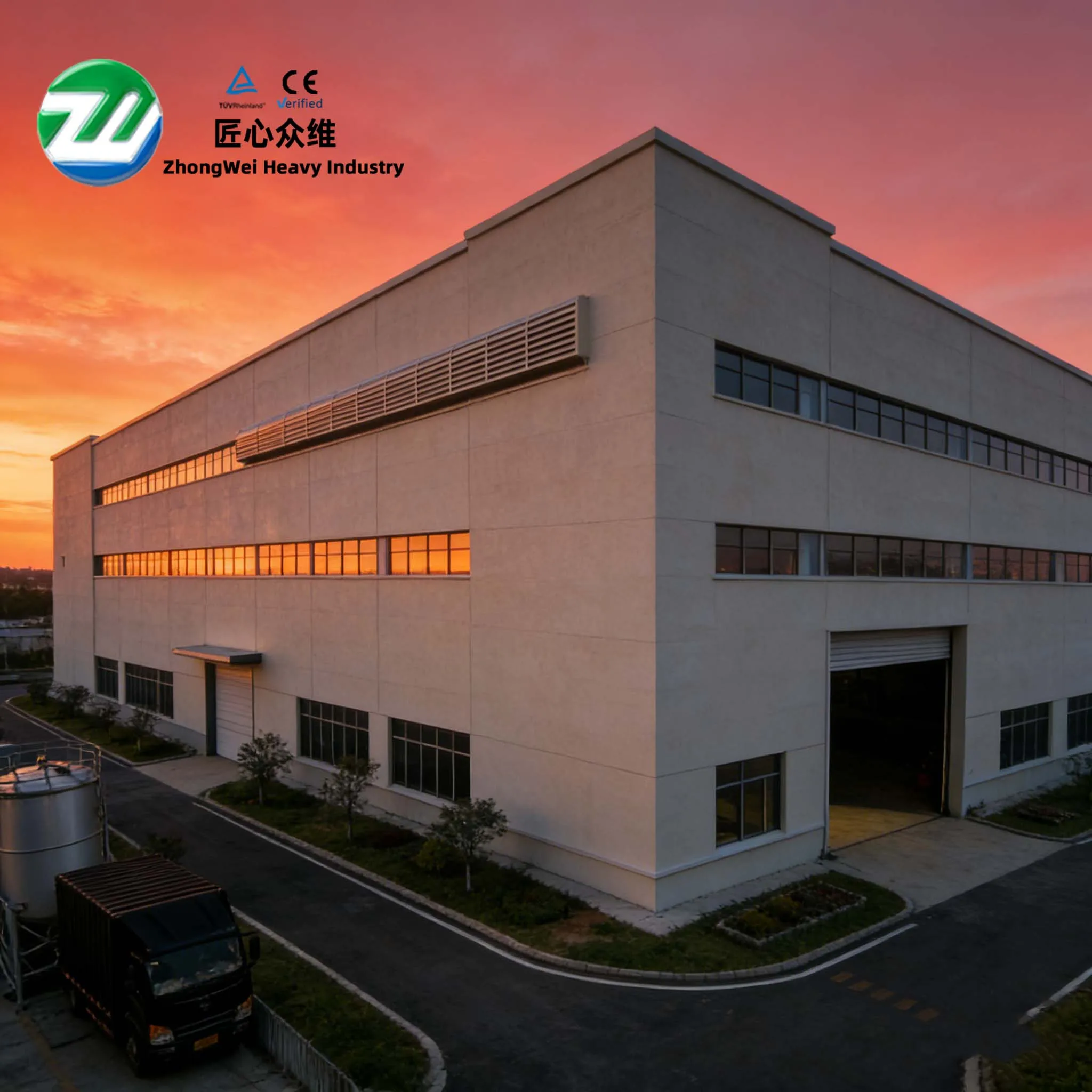
Steel structure warehouses, workshops and agricultural buildings are usually purchased under the category of Pre-engineered Building (PEB) or Prefabricated Steel Structure. Their main components include steel columns, steel beams, roof trusses or lattice trusses, purlins, bracing systems, floor decking, roof and wall envelope panels, doors, windows and connectors. Zhongwei Heavy Industry’s product pages describe steel structure warehouses in terms of high load-bearing capacity, fast construction, flexible layout and long-term operational reliability; these targets are consistent with the common requirements of overseas logistics, manufacturing and supply-chain projects.
For engineers, the items that truly need to be written into the procurement specification are the local building code, wind load, snow load, seismic design requirements, service loads, corrosion environment category, fire-resistance requirements and roof drainage conditions.
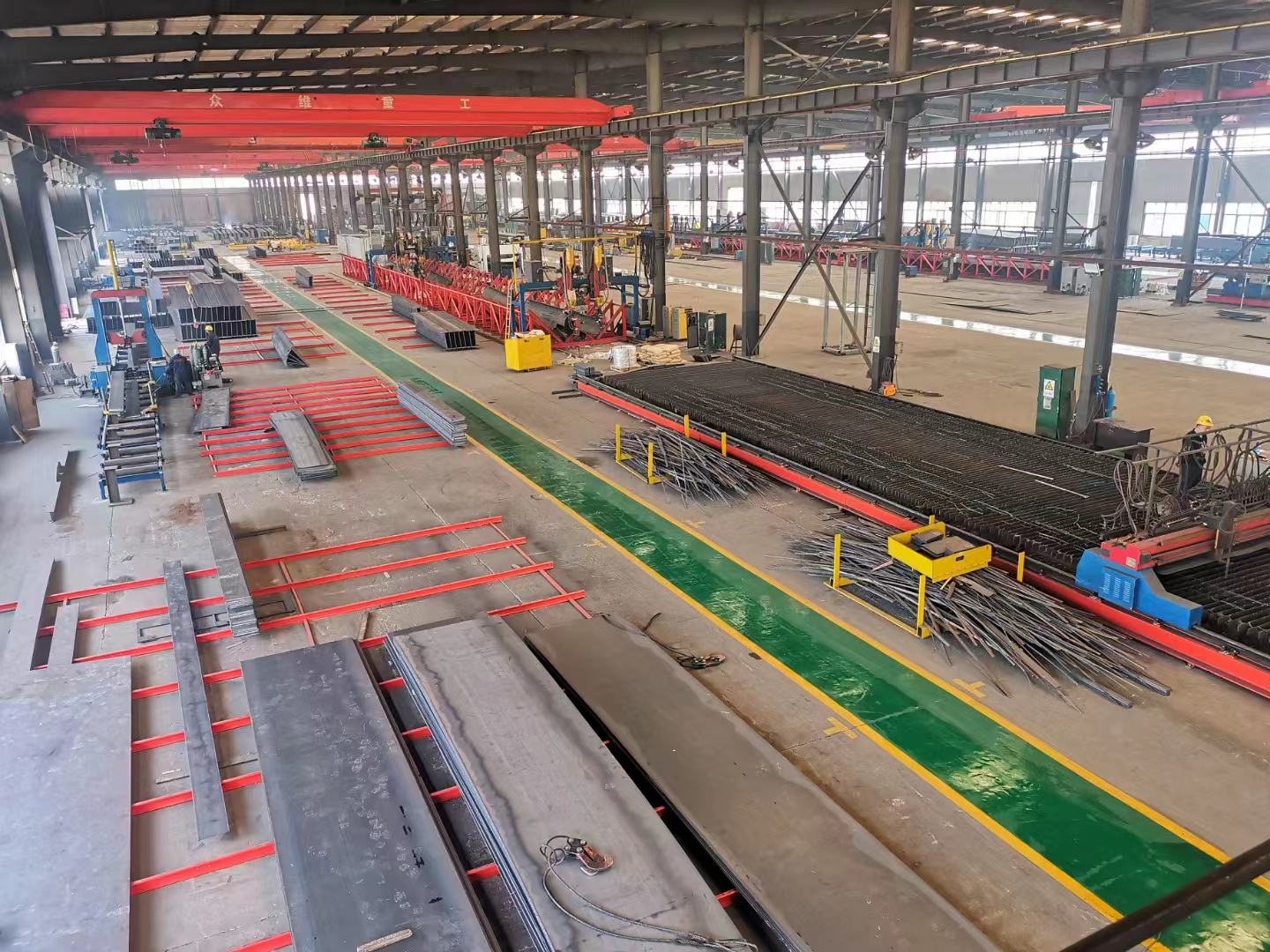
Full factory prefabrication is a key path to lowering total ownership cost. Steel columns, H-section beams, box columns, roof bracing and purlins are cut, assembled, welded, straightened, shot-blasted or derusted, coated and checked through trial assembly inside controlled workshops. On site, the work is mainly shifted to lifting, bolted connection and envelope-system installation. Compared with traditional solutions dominated by on-site wet trades, prefabricated steel structures usually make it easier to move quality inspection to the factory side and reduce the impact of weather, labor skill variation and cross-trade interference. This article does not promise a fixed percentage of savings for every project, but one conclusion is clear: the higher the prefabrication rate, the less on-site secondary processing is required, and the more controllable the construction management cost and quality uncertainty become.
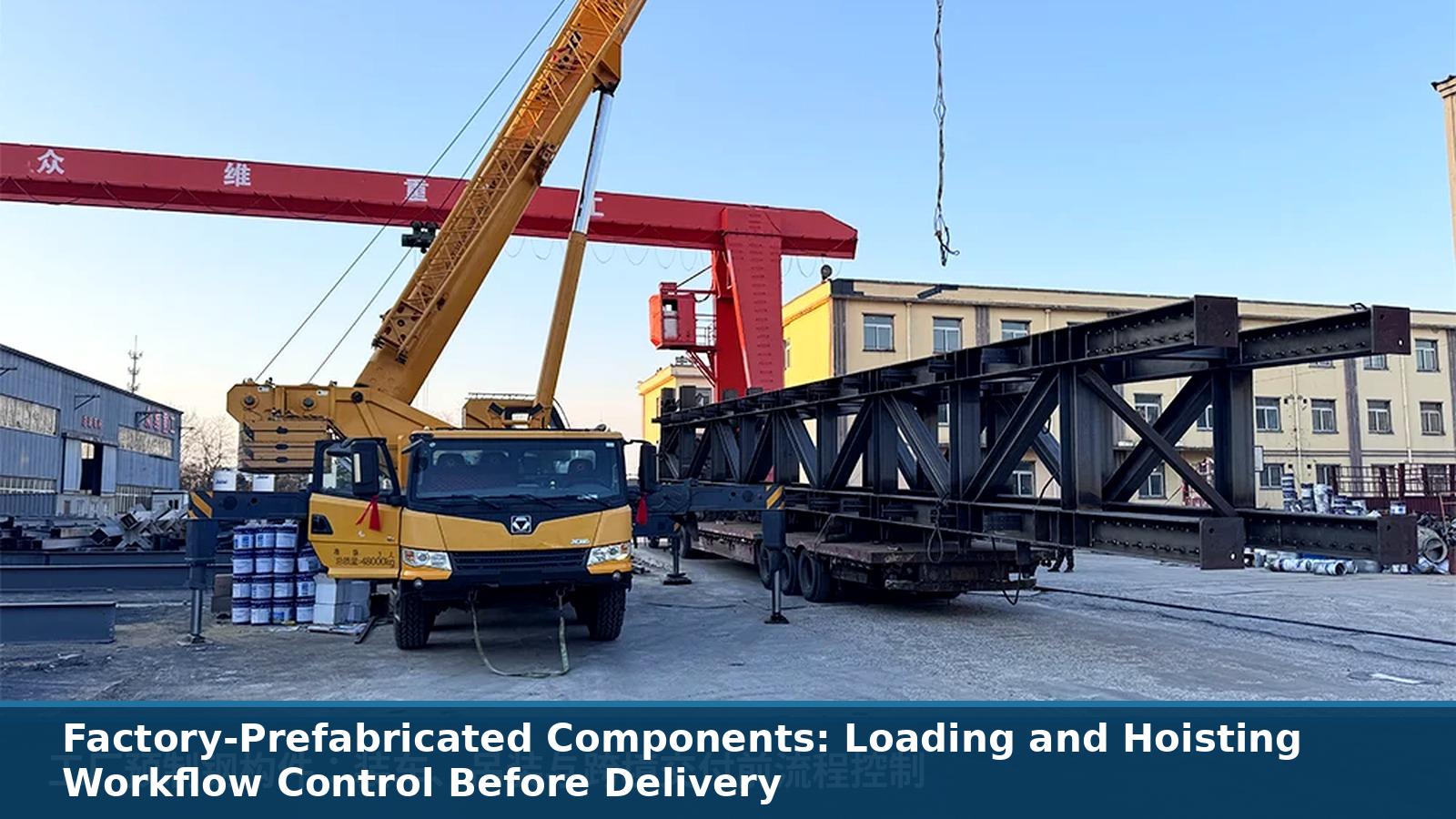
Figure 2. Process control before loading and hoisting of heavy steel components.
3. Enterprise Capability: Design, Manufacturing, Logistics and Installation Guidance Form a Closed Delivery Loop
Zhongwei Heavy Industry has 24 years of experience in the steel structure sector and lists BIM technology, digital management systems and a service network covering more than 30 countries and regions as part of its capability base. Public company milestones show that the company entered the steel structure and color plate sector in 2002, launched color plate and purlin production lines in 2009, expanded capacity and overseas sales in 2019, and introduced high-end equipment in 2022, achieving annual sales of RMB 300 million.
The company’s offering is not limited to single steel beams or steel columns. It also covers envelope systems, panels, purlins, structural detailing, production and manufacturing, packaging and shipment, and technical cooperation for on-site installation. For engineering procurement teams, a supplier’s value is not only in manufacturing, but also in whether it can convert design inputs into a component list that can be manufactured, transported and installed. For long-span warehouses, column-free spaces, workshops with crane beams, livestock ventilation systems or multi-storey steel structure buildings, if the front-end scheme lacks feedback from manufacturing and installation teams, node clashes and on-site changes are likely to occur later.
Climate adaptation should not be handled with a single template across overseas projects. Southeast Asian markets usually focus on high temperature and humidity, anti-corrosion, heavy-rainfall drainage and typhoon risk. Middle Eastern and African projects may place greater emphasis on high temperatures, sand and dust, and long-distance transport packaging. European agricultural storage projects may emphasize snow load, insulation, roof drainage and long-term maintenance. Zhongwei Heavy Industry’s customized design capability is suitable for confirming design parameters jointly with customers at the early project stage: local codes, material grades, foundation conditions, thermal performance of the envelope system, roof slope, door opening dimensions, equipment loads, fire-protection interfaces, and mechanical and electrical interfaces. Bringing climate and seismic requirements forward into the scheme stage is critical to lowering later change costs.
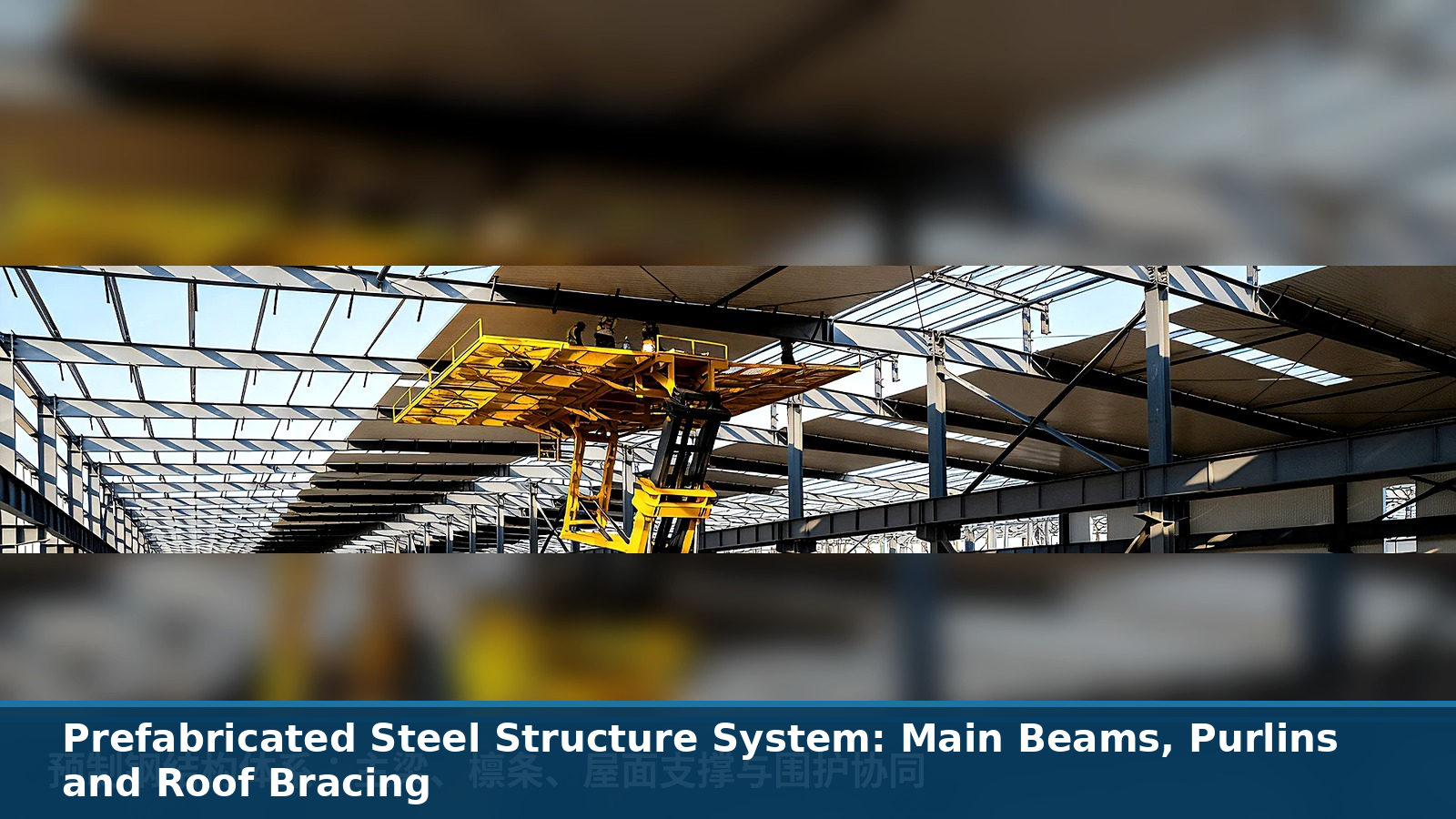
Figure 3. Main beams, purlins and roof bracing of the prefabricated steel structure system.
4. Advice for Procurement and Supply Chain Managers: Evaluate Suppliers by Deliverables, Not Only by FOB Unit Price
A simple comparison of FOB unit prices can easily overlook hidden costs, including structural detailing fees, differences in coating systems, inconsistent component numbering, ocean-shipping packaging losses, lack of on-site guidance and insufficient after-sales response. A more reliable approach is to use Total Installed Cost (TIC) thinking and include design, manufacturing, transport, installation, rework, downtime and maintenance costs in the evaluation.
For factory-based suppliers such as Zhongwei Heavy Industry, customers are advised to provide a complete project input package at the inquiry stage: building use, total building area, column grid and clear-height requirements, project city, basic wind pressure, snow pressure and seismic parameters, preferred roof and wall panel materials, desired anti-corrosion service life, whether cranes or photovoltaic systems will be installed, trade terms, target installation period and local acceptance requirements. In return, the supplier should provide an initial structural scheme, component weight estimate, material standards, coating proposal, delivery schedule, packaging method, container-loading plan and the scope of on-site guidance.
If the project is still at feasibility-study or concept-design stage, the buyer can also start budget-level technical communication. Zhongwei Heavy Industry can provide one-stop full-process steel structure export and on-site installation guidance, which means customers can bring manufacturing feasibility, logistics limitations and installation sequencing into the technical discussion at the scheme stage. For owners without local steel structure detailing capability, receiving early manufacturability feedback often reduces project risk more effectively than pushing down the unit price at a later stage.
5. Cooperation Outlook: The Core Competition in Overseas Steel Structure Markets Will Shift Toward “Standardized Delivery + Localized Adaptation”
With manufacturing relocation, cross-border e-commerce warehouse expansion, agricultural cold-chain development and industrial park construction continuing to advance, steel structure buildings still have sustained demand in overseas markets. Requirements for suppliers are also rising: from delivery speed to standard-adaptation capability; from component price to engineering delivery certainty; and from one-time sales to long-term maintenance and future expansion capability. The combination of design, prefabrication, logistics and on-site guidance described in Zhongwei Heavy Industry’s public information corresponds to this change.
For corporate decision-makers, steel structures are no longer merely an alternative to civil construction; they are an infrastructure choice that affects operational efficiency. Long-span space can improve warehouse turnover and production-line flexibility. Prefabricated components can shorten the on-site construction period. Expandable structural systems support future capacity expansion. Standardized quality documents help satisfy financing, insurance and owner-audit requirements. Looking ahead, suppliers capable of coordinating international standards, factory quality control, cross-border logistics and local installation will be better positioned to enter high-requirement project lists.
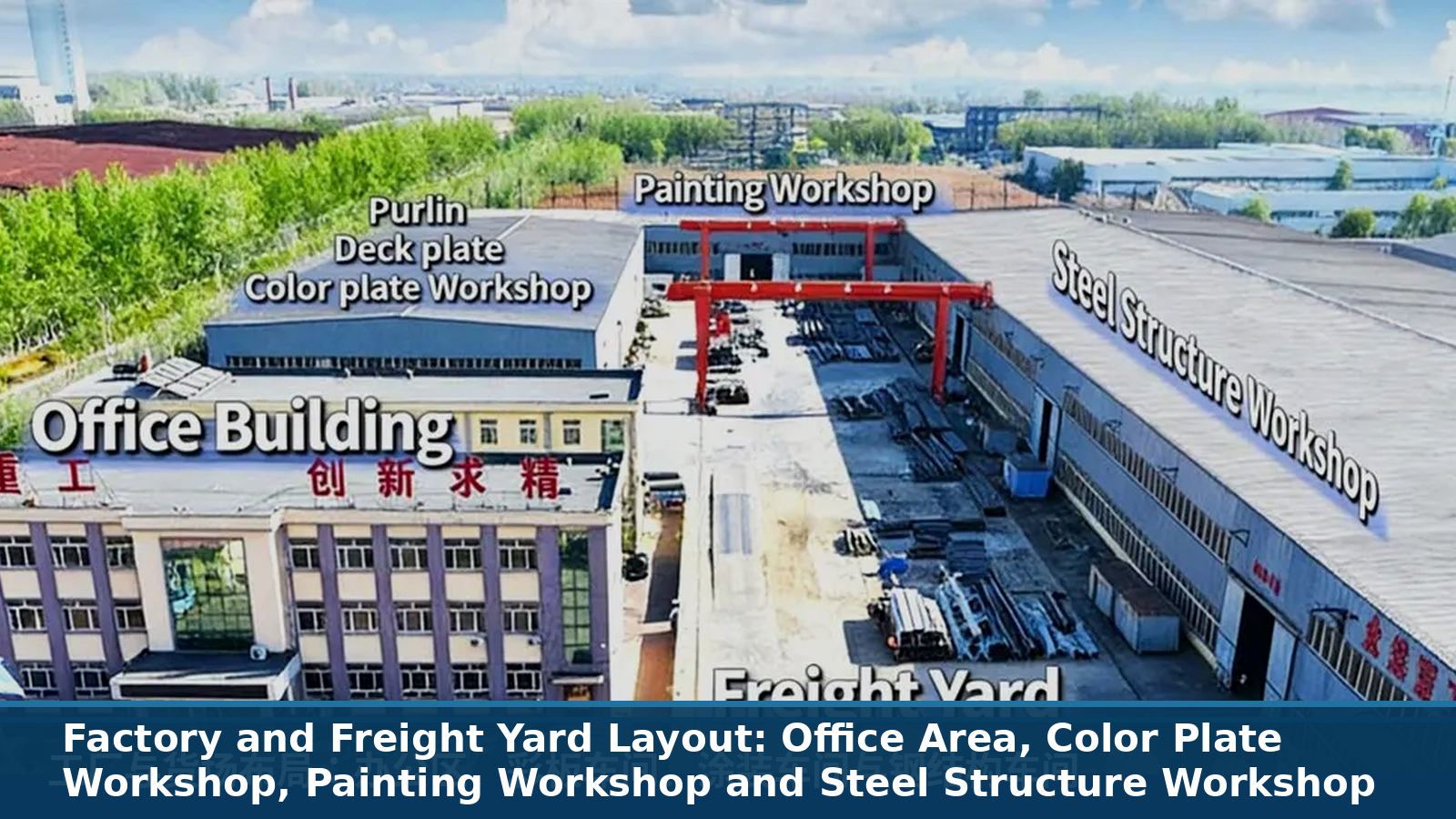
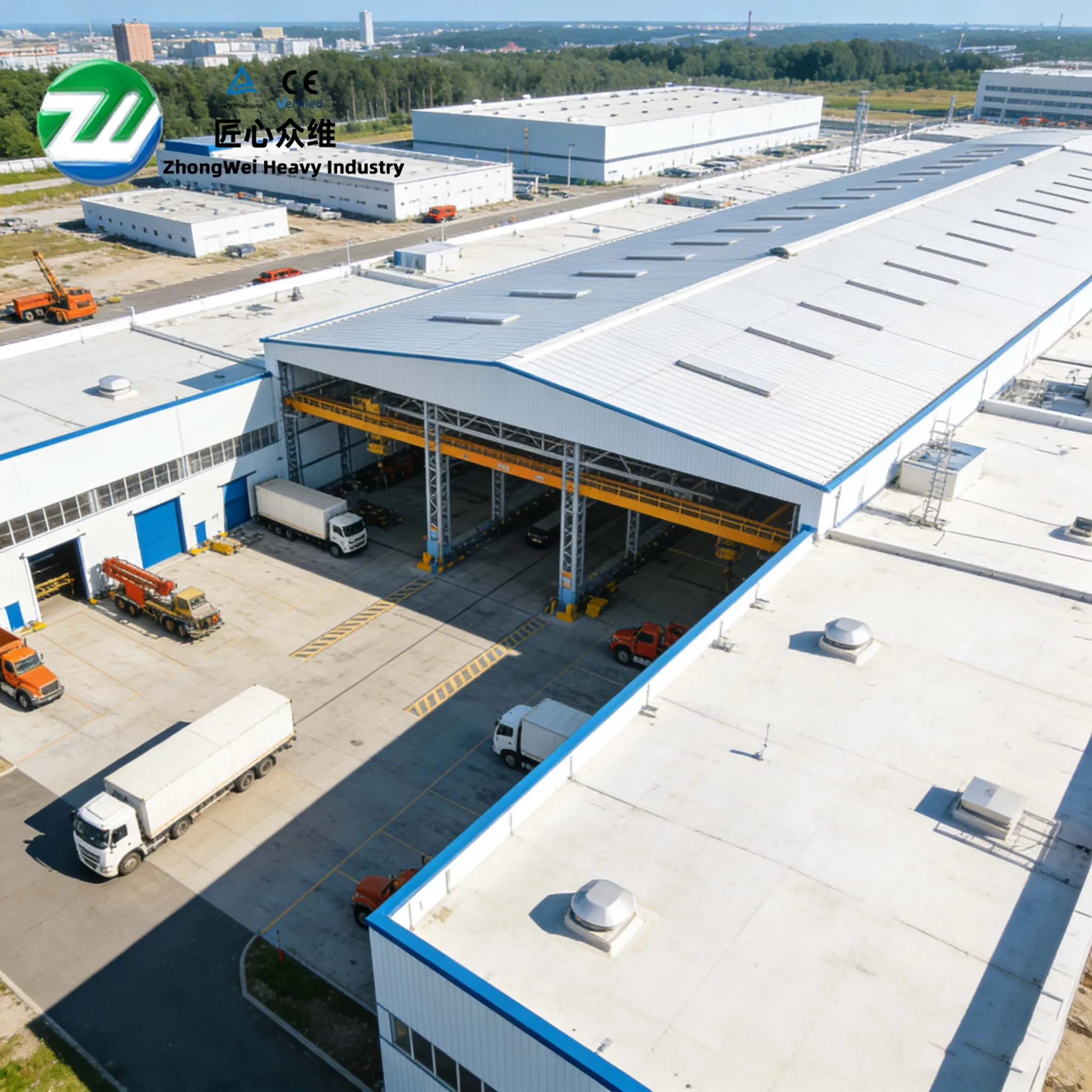
Figure 4. Factory and freight yard layout covering the office area, color plate workshop, painting workshop and steel structure workshop.
#Prefabricated Steel Structure #Steel Structure Warehouse #Overseas Industrial Construction #Pre-engineered Building #Factory Prefabrication #Cross-border Steel Structure Delivery #Bangkok Logistics Warehouse Project #Steel Structure Manufacturing #Zhongwei Heavy Industry Steel Structure
 Hot News
2026-06-29
2026-06-29
2026-06-26
2026-06-26
2025-12-26
2025-08-24
 EN
EN