 EN
EN

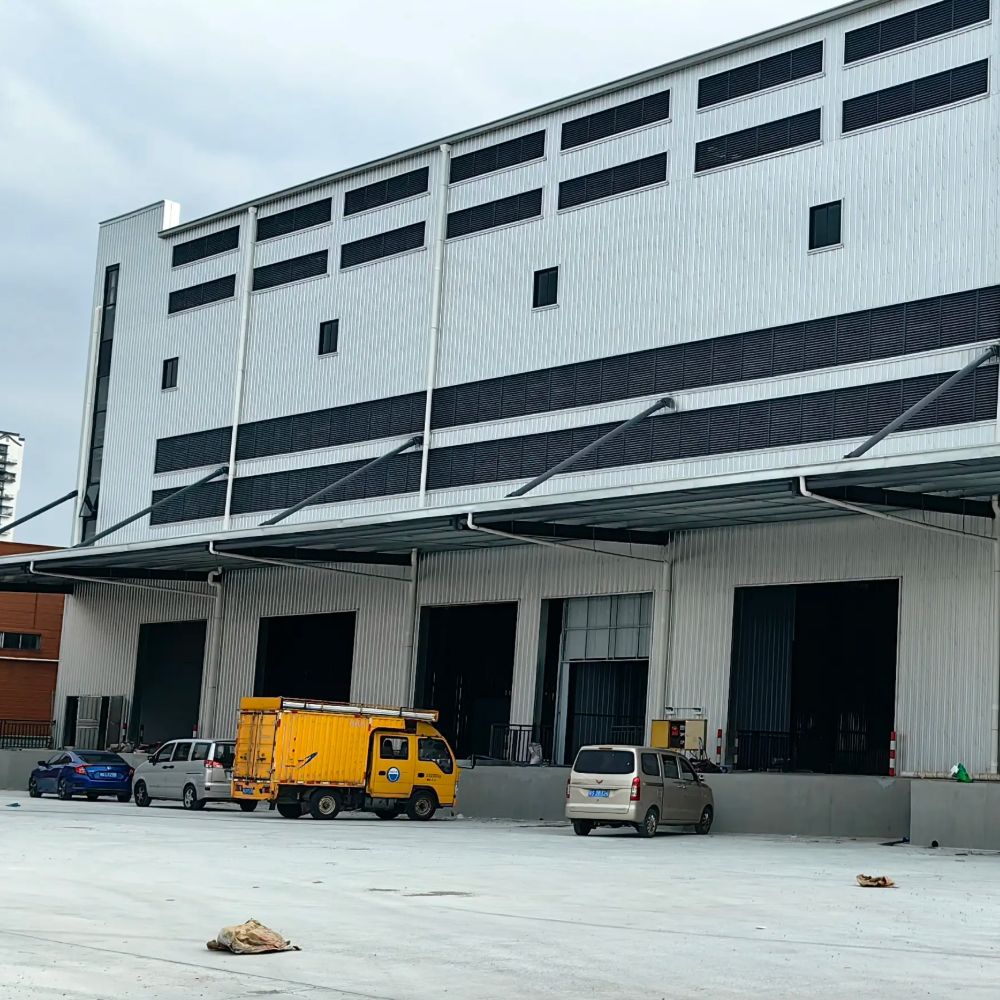
Understanding What Your Warehouse Needs
A manufactured warehouse works hard every single day. Forklifts move back and forth, pallets stack up to the ceiling, and the roof takes whatever weather comes along. But too many operators treat the building like a background asset that takes care of itself. It does not. Steel components, fasteners, seals, doors, and drainage systems all wear over time. A small issue that goes unnoticed today becomes an expensive repair next quarter. Keeping a manufactured warehouse in top condition does not require a massive budget or a dedicated maintenance army. It requires consistency, a bit of observation, and a system for catching problems before they grow into emergencies.
Build a Seasonal Inspection Routine
The backbone of maintaining a manufactured warehouse is a seasonal walkthrough. Pick a schedule and stick to it. Four times a year works well for most facilities because it lines up with weather changes that stress the building in different ways. During each inspection, work through a checklist that covers the structure from the ground up. Start with the foundation perimeter. Look for cracks, water pooling near the base, or signs of settlement. Walk inside and check the column bases for rust where they meet the floor slab. Move to the wall panels and look for loose fasteners, dented sheets, or gaps at corner flashings. Inspect doors and dock levelers. A roller door that drags or sticks is telling you something before it fails completely. Check all weather seals around doors and windows for brittleness or gaps. Water and pests get in through surprisingly small openings. On the roof, look for ponding water, loose flashing at penetrations, and any debris that blocks drainage paths. A roof that holds water after rain will develop leaks eventually. The goal of the walkthrough is not to fix everything on the spot. It is to document what needs attention so you can plan the work systematically.
Protect the Steel from Corrosion
Corrosion is the biggest long term threat to a manufactured warehouse, especially in coastal areas, humid climates, or industrial environments with airborne chemicals. The factory applied coatings on the steel frame and panels do the heavy lifting for protection, but those coatings wear thin over time. Scratches from equipment bumps, fastener heads that lose their coating, and areas where water consistently sits need attention during maintenance rounds. Clean the affected spot with a wire brush to remove any surface rust, then apply a zinc rich primer followed by a compatible topcoat that matches the original finish. For facilities near saltwater, more frequent inspections make sense because salt spray accelerates corrosion significantly. Pay extra attention to the bottom portions of columns and wall panels where splashback from vehicles or rain keeps the steel damp. Simple touch ups done regularly prevent the kind of deep rust that requires cutting out and replacing structural steel.
Keep the Drainage System Flowing
Water control directly affects the condition of a manufactured warehouse. Gutters, downspouts, and ground drains that clog up send water where it should not go. Overflowing gutters dump water down wall panels, saturate the ground near the foundation, and create conditions for leaks and settlement. During each seasonal inspection, clear gutters of leaves and debris. Flush downspouts to make sure they flow freely. Check that ground drains around the building perimeter are clear and that the grade slopes away from the foundation. Standing water near the base of a steel column will eventually find its way into the structure through capillary action or small gaps in the concrete. These water related problems show up slowly but cause expensive damage when ignored.
Service Doors, Dock Equipment, and Moving Parts
The parts of a manufactured warehouse that move are the parts that break first. Roller doors, sectional doors, sliding doors, dock levelers, and ventilation louvers all have mechanical components that need lubrication and adjustment. Set up a regular schedule for checking these items. Clean the tracks on roller doors so they do not bind. Lubricate hinges, rollers, and springs with the correct product for each application. Check dock leveler hydraulics or mechanical springs for proper operation. Replace worn weather seals around dock openings before they let cold air, rain, or pests inside. These components take a beating from daily use, and catching wear early prevents the kind of sudden failure that stops operations.
Document Everything and Plan Ahead
Good maintenance records turn reactive chaos into calm planning. Keep a log of every inspection, every repair, and every observation. Note the date, what was found, and what action was taken. Over time, this log reveals patterns. If the same section of guttering clogs every autumn, you know to check it more often in October. If a particular roller door needs frequent track cleaning, the root cause might be something worth investigating further. The records also help with budgeting. You can see which components are approaching the end of their service life and plan capital replacements instead of scrambling when something breaks unexpectedly. A manufactured warehouse that gets this kind of structured attention will deliver reliable service for many years beyond what a neglected building can offer.
A manufactured warehouse represents a significant investment. Treating the building with the same discipline applied to the equipment inside it keeps that investment productive. Regular walks, prompt touch ups, clean drainage, and documented records form a simple system that any facility team can implement. The building will reward the effort with fewer interruptions and a longer service life.