 EN
EN

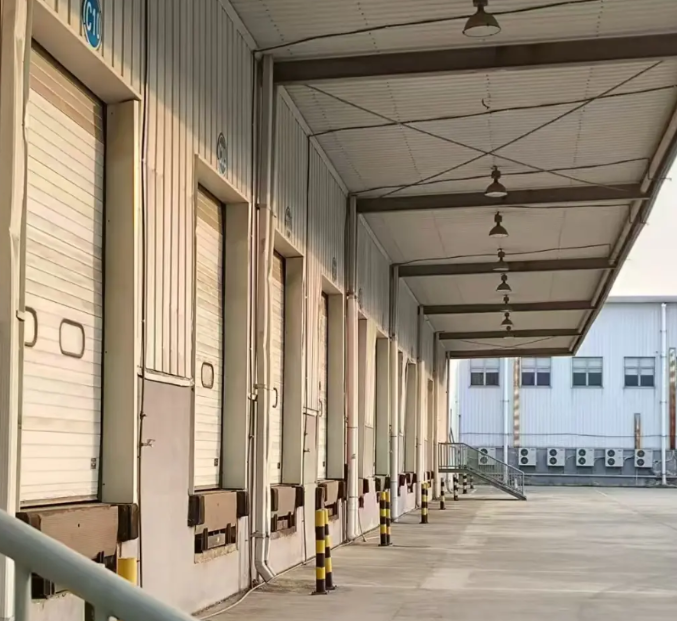
Tietäen vastuunsi varmistaa, että valmistettu varasto on toimiva, kestävä ja tehokas, suunniteltu varasto ei ole huoltovapaa, vaikka se on kestävä ja tehokas. Ajan myötä työ, säät ja päivittäiset toistuvat siirtotyöt aiheuttavat haasteita toiminnallesi. Vaikka huolenaiheita onkin, jatkuvan valvonnan vaatima työ on otettava huomioon, eikä aina ole niin, että varaston keksijän täytyy olla myös sen rakentaja. Joitakin huoltotoimenpiteitä, jotka lisäävät varastosi arvoa ja suojaavat sitä, on sinun pidettävä huolta. Tutkitaan joitakin huoltotoimenpiteitä. Perustetaan säännöllinen kävelytarkastusten aikataulutus.
Tärkeä osa huoltosuunnitelmaanne on luoda säännöllinen tarkastusmenettely kävelytarkastuksia varten, sillä ne auttavat tunnistamaan pienempiä ongelmia ennen kuin ne kasvavat suuremmiksi ongelmiksi tulevaisuudessa. Tee kerran kuukaudessa koko varaston läpi ulottuva kävelytarkastus ja saa käsitys tilanteesta juuri tarkastushetkenä. Tarkasta koko varasto ja sen rakenteellinen eheys. Älä unohda tarkistaa teräskehän kehittyviä ongelmia, kuten ruosteen tai korroosion merkkiä. Etsi katolla kerääntyneen veden merkkejä ja alueita, joissa kattopaneelit ovat irronneet toisistaan. Lopuksi tarkista kuukausittain varaston sisällä seinillä olevaa vettä ja halkeamia. Dokumentoi kaikki havaintosi. Dokumentoimalla tarkastukset voitte seurata ajan kulun mukana tapahtuvaa kehitystä ja kohteiden yleistä kuntoa. On hyvä idea laatia tarkastuslista, joka auttaa muistamaan kaikki velvoitteesi sekä muut mahdollisesti tärkeät asiat tai tulevaisuudessa kehittyvät ongelmat.
Teräskehikon suojaaminen
Teräskehikko on varaston tärkein osa, ja sen on pysyttävä turvallisena. Vaikka teräs on erinomaisen vahva, se on altis kosteudelle. Jos terästä jätetään kastumaan, se alkaa ruostua. Hyvät pinnoitteet ovat ensimmäinen puolustusmuoto. Useimmat terästoimittajat lisäävät teräkseen sinkityn pinnoitteen tai suojamaalin. Jos maali tai sinkkipinnoite naarmuuntuu tai kuluu, kannattaa korjata se mahdollisimman nopeasti. Laajamittainen ruoste on jotain, mitä haluat välttää. Tarkkaile ruostetta paikoissa, joissa vesi saattaa kertyä. Yleisiä paikkoja, joissa vesi saattaa kertyä, ovat tasaiset pinnat, liitokset ja katonvesikourut. Jos pidät nämä alueet siistinä ja kuivina, vähennät ruosteen syntymisen mahdollisuutta näillä alueilla.
Huolehdi katosta ja vesienpoistosta
Katto suojaa rakennuksen sisäosaa ja muuta rakennusta sääilmiöiltä. Kattoa vahingoittavat auringon valo, sade, lumi ja tuuli. Kun kattoa huolehditaan hyvin, rakennuksen sisätilat pysyvät kuivina. Tarkista ja vaihda kaikki löysäntyneet laudat, vaurioituneet tiivistykset sekä puuttuvat kiinnittimet. Tarkista myös kaikki laskeutusputket, jotta varmistat, että vesi pääsee virrata pois katolta, ja varmista, että viemäriurat ovat puhtaat. Vältä vuotavia kattokanavia estämällä veden kertyminen katolle. Seisova vesi lisää katolle painoa ja voi aiheuttaa sen romahtamisen sekä veden tunkeutumisen rakennukseen. Tarkista myös kattonauhojen ja ikkunoiden tiivistykset – nekin ovat kriittisiä pettämispaikkoja. Kun vahinko on jo tapahtunut, on yleensä liian myöhäistä toimia.
Seinien ja ulkokäsittelyn huolto
Varastotilasi seinät tekevät enemmän kuin tarjoavat pelkästään ulkoisen rajan; ne suojavat tuotteitasi ja laitteitasi ulkoisen maailman ankaroilta olosuhteilta. Siksi on tärkeää suorittaa säännöllisiä tarkastuksia seinäpaneelien tilasta mahdollisten ongelmien tunnistamiseksi. Esimerkiksi, jos joissakin seinissä on vaurioituneita paneeleja, kosteus ja tuholaiset voivat alkaa tunkeutua seinien läpi. Ovien ja lastauslaitosten seinät ovat jatkuvan liikenteen kohteena, joten niissä esiintyy yleensä enemmän vaurioita, painaumia ja muita seinävaurioita. Tarkista myös ikkunoiden ja seinässä olevien ilmanvaihtoaukkojen tiivistykset ja tiivistimet. Jos näet valoa aukosta, kyseinen aukko aiheuttaa hallitsematonta ilman- ja kosteustuloa; tämä on kallista energiaa tuottava tekijä. Tiivistystä on erityisen tärkeää huolehtia kylmemmissä ilmastovyöhykkeissä.
Ylläpidä toimivia ovia ja niiden varusteita
Varastojen ovet kokevat suurimman kulutuksen ja niitä on tarkistettava sekä huollettava säännöllisesti. Tähän kuuluvat vaakasuuntaiset liukuovet, yläpuoliset ovat ja kuormauslaiturin ovet. Tarkistaessa ovia on tarkastettava oven kiskot, poistettava kaikki lika ja tarkistettava oven pyörät varmistaakseen, että ne toimivat asianmukaisesti. Liikkuvia osia on voiteluttava, ja kaikki epätavallisia ääniä on merkattava muistiin. Näin mahdolliset oven ongelmat voidaan korjata varhaisessa vaiheessa. Myös oven tiivistykset on tarkistettava. Kuluneet tiivistykset antavat pölyn, tuhoeläinten ja ilmavirtojen päästä varastoon. Tiivistysten vaihto on nopea huoltotoimenpide, joka tekee suuren eron. Jos tilassasi on automaattiovia, varmista, että ovet on varustettu riittävillä turvatoiminnoilla ja että ne toimivat niin, että ovi kääntyy takaisin esteen tapahtuessa sen tielle.
Säilyttämällä varastosi puhtaana nyt teet siitä helpommin puhdistettavan tulevaisuudessa. Myöhemmin puhdistaminen on helpompaa, koska likaa on vähemmän ja sen alla ei piile ongelmia. Pöly ei voi sitoa kosteutta, jos pölyä ei ole kertynyt. Puhdistaminen tulisi olla osa säännöllistä hoitosuunnitelmaasi, erityisesti jos varastossa on seisovaa vettä, sillä se saattaa aiheuttaa ongelmia myöhemmin. Pölyn poistaminen usein on välttämätöntä sen kertymisen estämiseksi. Varmista, että materiaalit varastoidaan siten, että ilmanvaihto on mahdollista. Ilmanvaihdon varmistamiseksi seinien ympärille ja laitteiden ympärille jätettävän varan varmistamiseksi vältä liiallista tiukkuutta. Tämä pätee erityisesti paneelien ja laitteiden osalta. Siistissä ja järjestellyssä tilassa on paljon helpompaa havaita ongelmia varhaisessa vaiheessa.
Ole valmis vuodenajansiirroille
Jokainen neljästä vuodenajasta tuo aina mukanaan joukon haasteita, joista osa johtuu ympäristötekijöistä ja toiset rakennuksen omista rakenteellisista ominaisuuksista ja toiminnallisuuksista. Keväällä talven äärimmäisistä sääolosuhteista aiheutuva sulaminen voi aiheuttaa rakenteellisia vaurioita ja katon vuotoja. Kesän äärimmäiset olosuhteet voivat lisätä lämpöä ja kosteutta, kun taas syksyllä meidän on valmistauduttava talveen puhdistamalla vesikourut ja tarkistamalla katot lumelle ja jälleen. Talven lumi voi kertyä katolle ja aiheuttaa rakenteellisia vaurioita sen painon takia, mikä puolestaan voi aiheuttaa ongelmia myöhempinä vuodenajoina. Ongelmien seuraaminen koko vuoden ajan voi estää suurempien ongelmien kertymisen.
Ota ammattilaiset mukaan tarvittaessa
Sinulla on paljon mahdollisuuksia saavuttaa asioita itse, mutta jotkut asiat on parempi tehdä asiantuntijoiden toimesta. Kiinnitä huomiota rakenteellisiin ongelmiin, kuten taipuneisiin palkkeihin tai vinossa oleviin pilareihin, ja hanki sitten asiantuntija rakenteellisista kysymyksistä. Katonongelmiin tarvitset kattoalan asentajia. Sähköongelmiin tarvitset sähköasentajia. Yrittäminen ratkaista asioita, joihin sinulla ei ole ammattitaitoa, johtaa lisää ongelmia. Hyvä suhde luotettaviin ammattilaisiin on välttämätön osa huoltosuunnitelmaasi. Se mahdollistaa suurten tehtävien uudelleenjakamisen sekä ongelmien havaitsemisen silloin, kun ne ovat ulottumasi ulkopuolella.
Kirjoita asiakirjasi ylös
Yksi tehokkaimmista huoltotoimenpiteistä on tehokas tiedonpitäminen. Kirjaa kaikki tarkastukset, havainnot ja korjaukset sekä niiden päivämäärät. Tämä auttaa sinua muistamaan, mitä olet tehnyt, ja tunnistamaan säännönmukaisuuksia, kuten toistuvia ongelmia, mikä puolestaan voi auttaa sinua selvittämään, onko kyseessä laajempi perusongelma. Lisäksi, jos myyt koskaan kiinteistön, hyvin dokumentoidut huollot ja korjaukset osoittavat ostajille, että kiinteistöä on huollettu huolellisesti, mikä vahvistaa ostajien luottamusta sijoitukseensa.
Pieni vaiva tuottaa pitkän matkan
Teollisuusvarasto on suuri pääomasijoitus. Tämä on rakennus, josta yrityksesi toimii, jossa varastoit tuotteitasi ja jossa työntekijäsi ovat jne. Rakennuksen kunnossapito hyvässä kunnossa ei pitäisi olla liian monimutkaista. Pieni määrä huoltotoimenpiteitä, kuten siivousta, tarkastuksia ja muutamia pieniä korjauksia, riittää usein pitkälle. Pienempien vikojen korjaaminen on paljon helpompaa kuin suurempien ongelmien hoitaminen. Huoltoon kiinnittämättä jättäminen aiheuttaa tulevaisuudessa vakavia vaikeuksia. Samalla säilytät myös rakennuksen arvon tulevaisuudessa, mikä tekee huoltotoimenpiteistä kannattavia. Lisäksi saat rauhan mielessäsi tietäessäsi, että kaikki on kunnossa.
Nyt on aika tehdä ensimmäinen varastonotto ja täydentää luettelosi. Voit jopa laatia säännöllisen huoltosuunnitelman rakennuksen seinille, katolle, oville ja viemäreille. Tämä auttaa sinua tulevaisuudessa, sillä rakennus auttaa yritystäsi tulevaisuudessa – kun sen huolehdistaan.